





Written by:

Medically Reviewed by:
Last Updated:
August 18th, 2026
Alcohol Rehab
Alcohol rehab refers to the structured, evidence-based process of helping individuals overcome alcohol use disorder (AUD), or alcohol addiction, and achieve sustainable recovery. Unlike simply stopping drinking, alcohol rehabilitation addresses the full spectrum of physical dependence, psychological compulsion, and the social and emotional factors that sustain addiction. Because alcohol withdrawal can be medically dangerous, professional rehabilitation is essential.
Alcohol use disorder is a chronic, relapsing condition driven by neurobiological changes in the brain’s reward, stress, and executive control circuits. Effective rehab recognises this and combines medical management of withdrawal with psychological therapies, relapse prevention strategies, and long-term aftercare support. For those ready to take that step, alcohol rehab offers a clinically guided pathway back to health, autonomy, and wellbeing.

What Is Alcohol Rehab?
Alcohol rehab is a clinically overseen programme designed to help individuals safely withdraw from alcohol and develop the skills, insight, and support structures needed to maintain long-term sobriety. It is a multidisciplinary process that draws on medicine, psychiatry, psychology, and social care, recognising that alcohol addiction is not a failure of willpower but a complex, chronic medical condition.
Rehabilitation encompasses several core components: professional detoxification, psychological therapy, group and peer support, nutritional restoration, and a structured plan for life after treatment. The goal is not simply abstinence, but the development of a meaningful, fulfilling life in which alcohol no longer plays a controlling role.
A critical distinction exists between detoxification and full rehabilitation. Detox addresses the acute physiological process of removing alcohol from the body and managing withdrawal. Rehabilitation addresses everything that follows, such as the psychological patterns, emotional triggers, trauma, and social factors that drive continued drinking. Detox alone, without subsequent rehabilitation, carries a high rate of relapse.
Not sure if Alcohol rehab is the right step for you?
Our confidential self-assessment provides a quick and easy way to explore the Alcohol addiction treatment options that may be suitable for your situation.
Why Professional Rehabilitation Is Necessary
Many individuals attempt to stop drinking without professional support, often with limited success. This is not due to a lack of motivation, but because alcohol withdrawal is physiologically unique in its potential severity, and the neurobiological underpinnings of alcohol addiction are not resolved through willpower alone.
The Medical Danger of Unmonitored Withdrawal
Unlike withdrawal from opioids or stimulants, alcohol withdrawal carries a genuine risk of death. Alcohol enhances the inhibitory neurotransmitter gamma-aminobutyric acid (GABA) and suppresses the excitatory neurotransmitter glutamate. Chronic exposure leads the brain to compensate by downregulating GABA receptors and upregulating glutamate activity. When alcohol is abruptly removed, this compensation creates a state of neural hyperexcitability.
In severe cases, this hyperexcitability manifests as:
- Generalised tonic-clonic seizures, which can occur 6–48 hours after the last drink
- Delirium tremens (DTs), a life-threatening syndrome characterised by severe confusion, autonomic instability, fever, and hallucinations, typically emerging 48–72 hours after cessation
- Cardiovascular instability, including dangerous elevations in heart rate and blood pressure
- Hyperthermia and severe agitation, which can rapidly become life-threatening without intervention
Monitored detox, typically involving the use of long-acting benzodiazepines such as chlordiazepoxide or diazepam administered on a symptom-triggered or fixed-dose tapering schedule, significantly reduces seizure risk and mortality. Vitamin supplementation, particularly high-dose thiamine (vitamin B1), is routinely administered to prevent Wernicke’s encephalopathy, a severe neurological complication of thiamine deficiency common in people with alcohol dependence.
The Complexity of Psychological Dependence
Beyond the physical withdrawal, alcohol addiction reshapes the brain’s reward circuitry. Repeated alcohol use leads to the dysregulation of the mesolimbic dopamine system, the neural pathway most closely associated with reward and motivation. Over time, alcohol becomes the dominant driver of dopamine release and natural rewards, relationships, food and achievement, lose salience in comparison.
Simultaneously, the prefrontal cortex, responsible for impulse control, decision-making, and the ability to weigh long-term consequences, is structurally and functionally impaired by chronic alcohol exposure. This diminished executive function means that cravings become overwhelming, and the capacity to resist them is reduced. Professional rehabilitation provides the structured environment, therapeutic tools, and pharmacological support necessary to address these neurobiological changes in a way that self-directed attempts cannot.

Types of Alcohol Rehabilitation Programmes
Alcohol rehabilitation is not a single treatment but a spectrum of care. The appropriate setting and intensity depend on the severity of addiction, the presence of co-occurring medical or psychiatric conditions, the individual’s social environment, and their personal treatment goals.
Residential (Inpatient) Rehabilitation
Residential rehabilitation involves full-time placement in a clinical facility, where the individual lives on-site for the duration of treatment. Removing someone from their usual environment serves a clear clinical purpose: it interrupts the cycle of triggers, habits, and social pressures that sustain drinking, while providing consistent medical care, structured therapeutic programming, and the support of a peer community in recovery. For moderate to severe alcohol dependence, residential treatment is generally considered the most intensive level of care, and the evidence base is strongest for this population, those with co-occurring psychiatric conditions, or those whose home environment actively undermines recovery. For milder dependence, outpatient or intensive outpatient programmes can achieve comparable outcomes with far less disruption to work and family life, so the choice of setting should reflect the severity of the addiction rather than assuming residential care is always superior.
Key features of residential rehab typically include:
- On-site medical detoxification, with 24-hour clinical monitoring to manage withdrawal symptoms safely, since alcohol withdrawal can be medically dangerous and, in severe cases, life-threatening without proper care
- Daily individual and group psychotherapy, often drawing on approaches such as cognitive behavioural therapy (CBT), motivational interviewing, and relapse-prevention planning, to address the psychological drivers of drinking
- Structured daily routines, including scheduled meals, therapy sessions, and activities, that support behavioural change, restore healthy habits, and reduce the boredom or unstructured downtime that often triggers cravings
- Psychiatric assessment and integrated management of co-occurring mental health conditions, such as depression, anxiety, or trauma-related disorders, which frequently accompany alcohol use disorder and can undermine recovery if left untreated
- Removal from environmental triggers, including drinking-associated peer groups, locations, household stressors, or unrestricted access to alcohol, creating space to build coping skills before returning to everyday life
- A therapeutic community of peers in recovery, offering mutual accountability, shared understanding, and a reduction in the isolation that often accompanies addiction
- Family therapy or education sessions in many programmes, helping rebuild relationships and preparing the person’s support network for their return home
- Discharge and aftercare planning, typically including referrals to outpatient counselling, support groups (such as AA or SMART Recovery), and sometimes sober living arrangements, to maintain progress after the residential stay ends
Residential programmes typically range from 28 days to 12 weeks, though some extended programmes run longer. Evidence suggests that longer stays are associated with better long-term sobriety outcomes, particularly for individuals with severe dependence, unstable housing or social circumstances, or significant co-occurring psychiatric conditions. That said, the quality and continuity of aftercare following discharge matters as much as the length of the residential stay itself; even a successful inpatient programme can be undermined by inadequate follow-up support once someone returns home.
Outpatient Rehabilitation
Outpatient rehabilitation allows individuals to receive structured treatment while continuing to live at home, attend work or school, and maintain family responsibilities. Because of this, it is generally reserved for those with mild alcohol use disorder, a genuinely stable and supportive home environment, and a high level of self-motivation to engage consistently with treatment, criteria that, in practice, exclude a significant proportion of people seeking help. Without the structure of full-time care, individuals remain in daily contact with the same environment, routines, and people associated with their drinking, and must manage triggers and cravings largely on their own between scheduled sessions. This makes outpatient treatment considerably more dependent on willpower and circumstance than residential care, and outcomes can be inconsistent for anyone whose dependence is more than mild or whose home life is less than fully supportive.
Outpatient programmes typically include:
- Regular sessions with addiction counsellors, psychologists, or psychiatrists, usually limited to an hour or two per week, using approaches such as CBT or motivational interviewing
- Group therapy and peer support meetings, offering some sense of community, though without the constant, immersive peer accountability found in a residential setting
- Limited medical monitoring of withdrawal, suitable only for those at lower risk of complications, since outpatient settings cannot provide the rapid intervention available in a clinical facility if withdrawal symptoms worsen unexpectedly
- Pharmacological support, where appropriate, such as naltrexone, acamprosate, or disulfiram, though medication adherence outside a supervised setting depends entirely on the individual
- Relapse prevention planning, which must be put into practice in real-world situations almost immediately, rather than being reinforced through a structured, alcohol-free environment first
- Family or couples sessions in some programmes
- Flexible scheduling to accommodate work and family commitments, which is often an outpatient’s main advantage, though this same flexibility means treatment can be more easily deprioritised when life gets busy or motivation dips
Intensive Outpatient Programmes (IOPs) occupy a middle ground, providing several hours of structured therapy per day, typically three to five days per week, while individuals still return home each evening to the environment associated with their drinking. While IOPs offer more contact than standard outpatient care, they still fall well short of the round-the-clock structure, environmental removal, and clinical care available in residential treatment. IOPs are most useful as a step-down stage after residential treatment, helping maintain momentum during the transition back to independent living, rather than as a substitute for inpatient care in cases of moderate to severe dependence. For individuals with more significant addiction, co-occurring mental health conditions, or unstable home circumstances, residential treatment remains the better-supported option, and outpatient or IOP care should generally be considered only once that level of stability has first been established.
What Happens During Alcohol Rehabilitation?
Alcohol rehabilitation is a phased, structured process. While specific programmes differ, most follow a well-established clinical sequence designed to address physical dependence before moving into psychological and social recovery.
Phase One: Medically Detoxification
Detoxification is the process by which the body clears alcohol and re-establishes a degree of neurological balance. In a monitored setting, this process is managed using a structured medication protocol to prevent seizures and other life-threatening complications.
In the UK, the National Institute for Health and Care Excellence (NICE) recommends the use of chlordiazepoxide as the preferred benzodiazepine for alcohol detoxification, administered in a tapering dose typically over five to seven days. Vital signs, cognitive functioning, and withdrawal symptom severity are monitored regularly to ensure patient safety throughout.
Nutritional support, hydration, and general medical care are provided throughout, as many individuals entering detox are malnourished and physically depleted.
Phase Two: Psychological Therapy
Once physical withdrawal is managed, the therapeutic phase of rehabilitation begins. This is the phase in which the underlying drivers of addiction, psychological, emotional, and behavioural, are systematically addressed. A range of evidence-based therapies may be employed, often in combination.
Examples of the therapeutic avenues Banbury Lodge encompasses are:
- Identify the specific triggers, emotional states, situations, or thought patterns, that precipitate cravings and drinking
- Challenge and restructure distorted beliefs about alcohol, such as the belief that drinking is necessary to cope with stress
- Develop practical coping strategies and behavioural alternatives to alcohol use
- Rehearse responses to high-risk situations through role-play and guided practice
MET is particularly effective in early rehabilitation when motivation to change may be fragile, and is often used alongside CBT to address both the motivational and skill-based components of recovery.
Phase Three: Group Therapy and Peer Support
Group therapy is a cornerstone of alcohol rehab. Facilitated by a trained therapist, group sessions provide a space in which individuals in recovery can share their experiences, challenge one another’s thinking, and develop a sense of solidarity and accountability. The group format mirrors the relational context in which many individuals will need to manage their recovery after treatment.
Alongside therapist-facilitated group therapy, peer support networks, including AA, SMART Recovery, and other mutual aid organisations, play a significant role in sustaining recovery beyond the formal treatment period. Regular attendance at peer support groups is associated with significantly improved long-term sobriety rates.
Dual Diagnosis: Treating Alcohol Addiction and Co-occurring Mental Health Conditions
A substantial proportion of individuals living with alcohol addiction also meet diagnostic criteria for one or more co-occurring psychiatric conditions. Research consistently shows that rates of depression, anxiety disorders, post-traumatic stress disorder (PTSD), attention deficit hyperactivity disorder (ADHD), and personality disorders are significantly elevated in people with alcohol dependence. This is referred to as dual diagnosis or co-occurring disorders.
The relationship between alcohol and psychiatric disorders is bidirectional and complex. Mental health conditions may precede alcohol use disorder, with individuals self-medicating undiagnosed or undertreated psychiatric symptoms with alcohol. Alternatively, chronic alcohol misuse may precipitate or exacerbate psychiatric conditions through neurobiological damage, psychosocial disruption, and the physiological effects of repeated intoxication and withdrawal.
Effective dual diagnosis treatment, such as at Banbury Lodge, requires integrated care, that is, the simultaneous, coordinated assessment and treatment of both the alcohol use disorder and the co-occurring psychiatric condition. Sequential treatment models, in which addiction is treated first and mental health addressed later, or vice versa, are associated with poorer outcomes and higher rates of relapse. High-quality alcohol rehabilitation programmes employ clinicians trained in both addictions psychiatry and general mental health, and provide access to psychiatric assessment and pharmacological management of co-occurring conditions within the programme.
Find the right Alcohol rehab programme for you, today
Not all Alcohol addiction treatment is the same. Our admissions team will guide you towards the most suitable programme for your needs, providing confidential support and no pressure.
Relapse Prevention: Building a Sustainable Recovery
Relapse is a common and clinically recognised feature of alcohol use disorder, not a sign of treatment failure. Neurobiological research has established that the brain changes produced by chronic alcohol use can persist for months or years after achieving abstinence, leaving individuals vulnerable to cravings, stress-induced urges to drink, and cue-induced responding in the presence of environmental triggers associated with drinking.
Relapse prevention is therefore a central, evidence-based component of it. Effective relapse prevention planning typically includes:
- Identification of high-risk situations, emotional states, and cognitive warning signs that precede relapse
- Development of a personalised, written relapse prevention plan that includes specific coping strategies for anticipated triggers
- Exposure work (through role-play and imaginal techniques) to build confidence in managing cravings and high-risk scenarios
- Mindfulness-based relapse prevention (MBRP), which teaches individuals to observe cravings without reacting to them, reducing the likelihood of impulsive drinking
- Medication-assisted relapse prevention, where appropriate, using naltrexone, acamprosate, or other pharmacological agents
- Continued engagement with peer support groups such as AA or SMART Recovery after the formal treatment period
- An aftercare plan specifying the frequency and nature of follow-up contact with clinical services
Aftercare, structured support following the completion of a formal rehabilitation programme, is one of the strongest predictors of sustained recovery. This may include continuing care therapy sessions, alumni peer groups within the rehab facility, structured step-down support through outpatient services, and regular contact with a named recovery worker or key clinician.
Who Is Alcohol Rehab For?
Alcohol rehabilitation is appropriate for individuals across the full spectrum of alcohol use disorder, from those with early-stage problematic drinking to those with severe, long-standing dependence. The level of care recommended will vary according to the severity and complexity of the individual’s presentation, but no level of alcohol dependence is too mild or too severe to benefit from professional intervention.
Residential rehabilitation is particularly recommended for individuals who:
- Have a history of severe alcohol withdrawal, including seizures or delirium tremens
- Have not responded to previous outpatient treatment attempts
- Have a co-occurring psychiatric condition that requires integrated clinical management
- Live in an environment that is unsupportive of recovery or in which alcohol is readily available
- Lack reliable social support structures to sustain home-based recovery
- Require distance from environmental cues and triggers to make a genuine behavioural change
Outpatient rehabilitation may be more suitable for individuals with mild dependence, a stable home environment, a strong social support network, and the capacity to engage consistently with treatment without the structure of residential care.
It is important to note that alcohol rehabilitation is not exclusively for those who have experienced dramatic consequences. Intervening early, before alcohol dependence has progressed to severe physical, psychological, or social harm, significantly improves prognosis and reduces the complexity of treatment required.
Recovery and Life After Alcohol Rehab
Recovery from alcohol addiction is a long-term process that extends well beyond the boundaries of a formal treatment programme. The neurobiological changes associated with chronic alcohol dependence take time to resolve, and the psychological, social, and practical skills required for sustained sobriety must be continuously developed and reinforced.
Evidence consistently shows that recovery rates improve with longer periods of sustained engagement with treatment and support. Many individuals who have completed alcohol rehabilitation report substantial improvements across all domains of their lives: physical health, mental wellbeing, family and social relationships, occupational functioning, and a restored sense of identity and purpose.
Taking the First Step
Seeking help for alcohol addiction can feel daunting, but it is the most important decision a person with alcohol dependency can make. Alcohol rehabilitation, when delivered with clinical rigour, compassion, and an individualised approach, provides the structured foundation on which lasting recovery can be built.
If you or someone you care about is struggling with alcohol dependence, professional support is available. Our specialist clinical team provides comprehensive, evidence-based alcohol rehabilitation programmes tailored to the unique needs of each individual. From detox to psychological therapy, relapse prevention, and long-term aftercare, we are committed to supporting every step of the recovery journey.
Contact us today to speak with a member of our team and begin your journey towards lasting recovery.
Expert, personalised Alcohol treatment at every stage of your recovery
From your first conversation through to aftercare, we provide structured, evidence-based support throughout every stage of recovery. Help is available when you are ready.
Frequently asked questions
- Show the negative impact of alcohol on their life
- Emphasise the positive effects of rehab
- Highlight the risks of continuing to drink
- Be supportive and encouraging
- Share success stories from others who have attended rehab
- Educate yourself about alcohol abuse and the recovery process to better understand what your loved one is going through.
- Offer emotional support without judgement or blame. Let them know that you love and care for them and that you’re there to support them throughout their recovery journey.
- Encourage them to attend therapy sessions and participate in support groups. Offer to attend therapy with them or help them find a support group that fits their needs.
- Help them to stay positive and motivated. Celebrate their successes and milestones and gently encourage them through any setbacks.
- Avoid tempting them with alcohol or engaging in activities that may trigger their cravings.
- Take care of yourself as well. Supporting a loved one through alcohol rehab can be emotionally draining, so make sure to prioritise your own self-care needs.
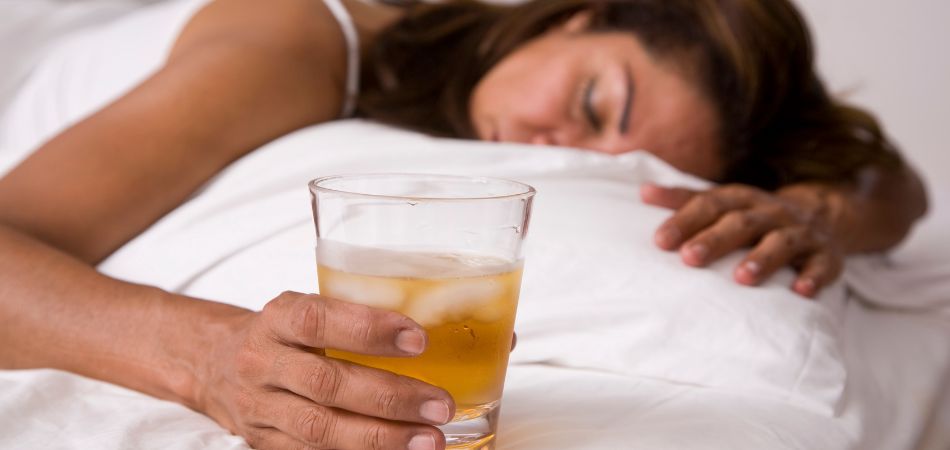

If you've been drinking heavily for a long time, you may have started to notice strange sensations in yo… More

It can be difficult to know for certain, especially when alcohol pl… More
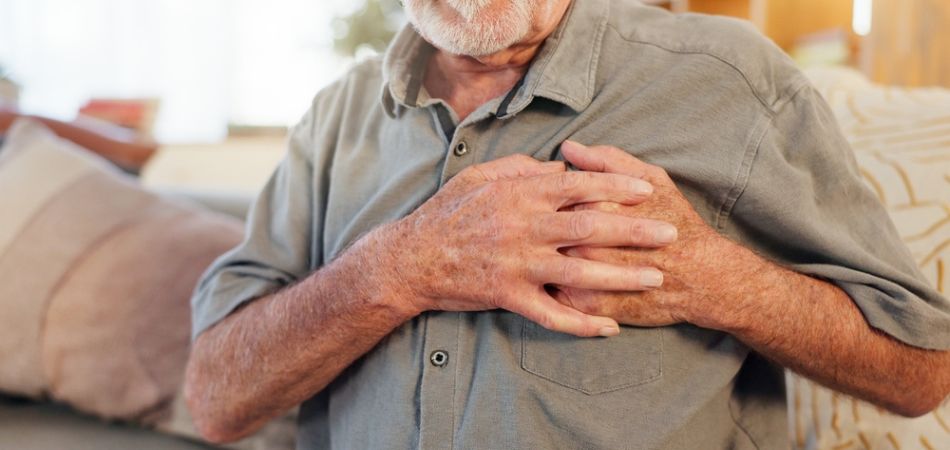
If you’ve experienced chest pain during or after drinking, your mi… More

When someone who has been drinking heavily for a long time stops suddenly, their brain can react badly. Th… More


The idea of "seeing pink elephants" has been used for decades to describe someone who's had too much to … More

Most parents who discover their child has been using substa… More



Mixing cocaine and alcohol is far more dangerous than many people realise. While some use the two substanc… More

Living with someone who has an alcohol addiction can feel like carrying a weight that wasn’t made for yo… More
Watching someone you care about drink themselves into trouble can be a truly terrible experience for frien… More



In the lyrical landscapes of ancient Greek mythology, few figures spark the imagination q… More

Muscle repair and recovery are pivotal in the fitness game, whether you are an avid gym-goer or a professi… More
(Click here to see works cited)
- American Psychiatric Association. (2022). Diagnostic and Statistical Manual of Mental Disorders (5th ed., text revision). APA Publishing.
- Anton, R. F., et al. (2006). Combined pharmacotherapies and behavioural interventions for alcohol dependence: The COMBINE Study. JAMA, 295(17), 2003–2017.
- Babor, T. F., et al. (2001). AUDIT: The Alcohol Use Disorders Identification Test. World Health Organization.
- Ehlers, C. L., et al. (2010). Ethanol dependence and withdrawal: Neurobiological mechanisms. Alcohol Research & Health, 33(1-2), 60–68.
- Garbutt, J. C. (2009). The state of pharmacotherapy for the treatment of alcohol dependence. Journal of Substance Abuse Treatment, 36(1), S15–S23.
- Kaner, E. F. S., et al. (2018). Effectiveness of brief alcohol interventions in primary care populations. Cochrane Database of Systematic Reviews.
- Kelly, J. F., & Hoeppner, B. B. (2015). A biaxial formulation of the recovery construct. Addiction Research & Theory, 23(1), 5–11.
- Mann, K., et al. (2004). Acamprosate and naltrexone combination therapy versus each drug alone for the treatment of alcohol dependence. American Journal of Psychiatry, 161(10), 1805–1812.
- National Institute for Health and Care Excellence (NICE). (2011, updated 2023). Alcohol-use disorders: Diagnosis, assessment and management of harmful drinking and alcohol dependence (CG115).
- Nutt, D. J., et al. (2015). The mechanisms of action of acamprosate and naltrexone in the treatment of alcohol dependence. CNS Spectrums, 20(S1), 1–9.
- Project MATCH Research Group. (1997). Matching alcoholism treatments to client heterogeneity: Project MATCH posttreatment drinking outcomes. Journal of Studies on Alcohol, 58(1), 7–29.
- Sullivan, J. T., et al. (1989). Assessment of alcohol withdrawal: The revised Clinical Institute Withdrawal Assessment for Alcohol Scale (CIWA-Ar). British Journal of Addiction, 84(11), 1353–1357.
- Witkiewitz, K., & Marlatt, G. A. (2004). Relapse prevention for alcohol and drug problems. American Psychologist, 59(4), 224–235.
- World Health Organization. (2018). Global status report on alcohol and health. WHO.
- Witkiewitz, K., et al. (2014). Mindfulness-based relapse prevention for substance use disorders. Substance Abuse, 35(4), 369–383.

