





Written by:

Medically Reviewed by:
Last Updated:
August 6th, 2026
Fentanyl addiction
Fentanyl has gained recognition as one of the most notorious and dreaded drugs worldwide. This synthetic opioid is up to one hundred times more potent than morphine and its popularity among drug users has surged due to its wide availability and affordability. As one of the most potent synthetic drugs, fentanyl is highly addictive and can quickly lead to dependency and overdose. From students to celebrities, no one is immune to the grip of fentanyl addiction; with its widespread availability to obtain through prescriptions and illegal means, fentanyl addiction has become a national crisis in many countries.
What is fentanyl?
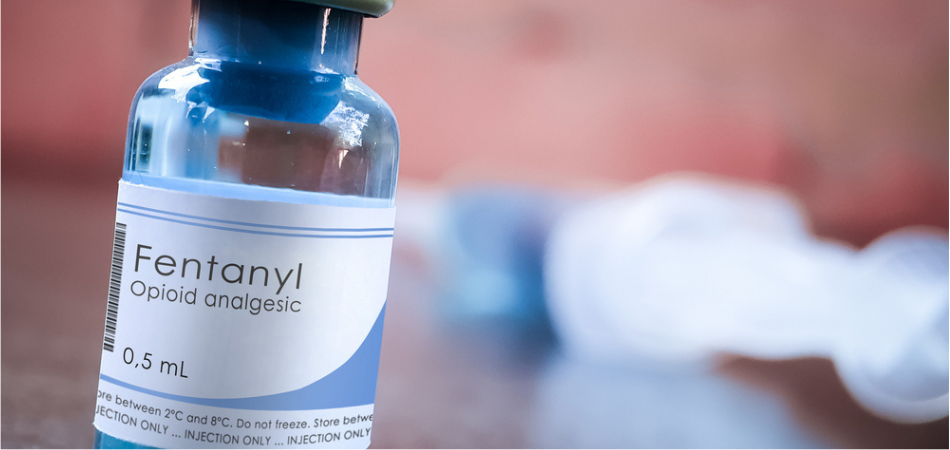
Fentanyl is a powerful synthetic opioid that was originally developed in the 1960s as an anaesthetic medication. Due to its strong pain-relieving effects, it later became widely prescribed for the treatment of severe and chronic pain, particularly from the 1990s onwards.
However, its high potency meant the risks of dependence, misuse and addiction were significantly underestimated.
In recent years, fentanyl has become one of the most widely misused opioids worldwide, with North America especially experiencing devastating rates of addiction and overdose linked to illicit fentanyl use.
Because of its high potential for abuse and dependence, fentanyl is tightly controlled in the UK and is only legally available by prescription, commonly in the form of patches, lozenges or oral soluble films.
Your Fentanyl-free future
starts with one phone call.
Why has fentanyl become such a popular recreational drug?
Fentanyl has become a popular recreational drug due to a variety of reasons such as:
- Strong potency – Even a tiny amount of fentanyl, as little as 1mg, can produce effects that are comparable to much larger quantities of other painkillers.
- Availability – It is widely available on the streets in large quantities which are then “cut” into smaller quantities to sell to users.
- Cost-effectiveness – Compared to other drugs Fentanyl is much cheaper on the street.
- Ease of combination with other drugs – It is often compounded with other drugs such as MDMA, heroin and cocaine. This can intensify the desired effect.
How do you become addicted to fentanyl?
The more you consume fentanyl, the greater the likelihood of developing tolerance, meaning larger doses are needed to achieve the same effect. With prolonged use, the body can become so dependent on the drug that stopping suddenly may trigger withdrawal symptoms. Over time, this dependence can develop into both physical and psychological reliance, often requiring professional support and treatment to overcome.
Fentanyl addiction can develop through both prescribed and illegal use. In many cases, fentanyl misuse begins unintentionally, particularly when someone is following a legitimate prescription, but the drug’s potency and fast-acting effects can cause dependence to escalate quickly. Because of this, even prescription fentanyl carries a significant risk of addiction if not carefully monitored.
It is important to take fentanyl exactly as directed by a qualified medical professional and attend regular reviews to monitor any changes, side effects or signs of dependence. In some cases, dependence on prescription opioids can also lead individuals to seek out illicit fentanyl when they are no longer able to access their prescribed medication, increasing the risk of fentanyl abuse and overdose.
In other cases, people become addicted to fentanyl through illicit means. Some may intentionally use fentanyl. Others may mistakenly believe they are using an alternative drug, as substances are “cut” or mixed with fentanyl due to its low cost and higher profit margin for drug dealers.
Regardless of how one initiates the use of fentanyl, the possibility of addiction should not be underestimated.
Who has the highest risk of developing fentanyl addiction?
While anyone who takes fentanyl is at risk of developing an addiction, there are certain groups that have a higher likelihood of becoming addicted. These groups include:
- People who are prescribed fentanyl for pain management: Prescription fentanyl users have a higher risk of addiction because of the drug’s potency and the potential for dependence.
- Individuals with a history of substance abuse: People who have struggled with opiate addiction or addictions to other substances in the past are at a higher risk of developing a fentanyl addiction.
- Individuals who use other drugs: People who use other drugs are at a higher risk of developing fentanyl addiction.
- Individuals who live in areas where fentanyl use is prevalent: People who live in areas where drug and fentanyl use is more common.
- People who use fentanyl recreationally: Individuals who use fentanyl for recreational purposes, whether knowingly or unknowingly, are at a higher risk of addiction.
How can I tell if I am addicted to fentanyl?
Here are some key signs and symptoms to look out for if you suspect you or a loved one may be addicted to Fentanyl:
- Are you taking more fentanyl than prescribed or using it in a way other than prescribed?
- Do you experience intense cravings for fentanyl and spend a significant amount of time thinking about it?
- Have you tried unsuccessfully to cut back or quit using fentanyl?
- Do you continue to use fentanyl despite negative consequences, such as relationship problems, financial difficulties, or health issues?
- Are you experiencing withdrawal symptoms when attempting to stop using fentanyl?
- Have you given up activities you once enjoyed in favour of using fentanyl?
These are common fentanyl addiction signs and answering yes to one or more of these questions may indicate a growing physical and psychological dependence on the drug.
What are the health effects of fentanyl abuse and addiction?
Physical health effects of fentanyl addiction
- Vomiting, nausea and constipation
- Serious respiratory issues
- Seizures
- Confusion
- Slowed heart rate
- Dizziness
- An increased risk of HIV, hepatitis and other blood-borne diseases due to sharing needles with others
- Loss of consciousness
- Coma
- Death
Mental health effects of fentanyl addiction
- Anxiety
- Depression
- Delusions
- Paranoia
- Hallucinations
- Psychosis

Additional issues of fentanyl addiction
Apart from the health implications associated with fentanyl addiction, it’s crucial to understand that there are other hazards to consider. These may include:
- Legal issues related to the possession and/or distribution of fentanyl
- Financial strain as a result of paying for fentanyl
- Relationship issues due to dishonesty, secretive behaviour or mood/emotional swings
- Problems at school or at work
- Social isolation
- Negative alterations in lifestyle due to drug use
- Homelessness
Is there a cure for Fentanyl addiction?
Fentanyl addiction is a complex condition which requires a comprehensive approach to recovery. The first stage is fentanyl detox where you will be gradually weaned off the drug under the care of medical professionals. In addition to this, you will also undergo fentanyl rehab where you will receive a combination of therapies and other support services to identify and address the underlying causes of your fentanyl addiction. Banbury Lodge offers both of these stages in our world-class inpatient recovery clinic so get in touch with us to find out more.
Fentanyl addiction in the UK
Although fentanyl has become the leading cause of death for individuals aged 18 to 45 in the US, it has not yet caused the same level of devastation in the UK. Nevertheless, it is crucial to recognise that fentanyl is an exceedingly hazardous drug and the number of fentanyl-related deaths in the UK continues to rise. It is imperative for the UK to remain cautious and sustain efforts to educate people about the hazards of fentanyl.
Getting help for fentanyl addiction
If you or a loved one is battling fentanyl addiction in the UK, it is crucial to seek assistance as soon as possible. Early intervention through professional fentanyl addiction treatment can significantly reduce the risk of overdose and long-term health complications.
Banbury Lodge offers a complete treatment program that can aid in reclaiming your life and starting anew. Contact us today and our admissions team will guide you through the process and address any questions or concerns you may have.
A healthier, Fentanyl-free life is possible, and it starts here
Whether this is your first step or support following a relapse, we provide expert care at every stage of recovery in a safe and supportive setting.

