





Written by:

Medically Reviewed by:
Last Updated:
August 4th, 2026
Crack cocaine addiction
Often seen as a more intense or “harder” form of cocaine, crack cocaine carries its own unique and dangerous risks. It’s becoming a serious and growing public health concern across the UK due to its rapid highs, short duration, and intense reinforcement, making it highly addictive. Individuals can quickly move from experimentation to severe crack cocaine dependence, impacting physical health, mental wellbeing, and social stability.
Understanding how crack works, why it is addictive, and the consequences of crack cocaine misuse is essential for anyone seeking recovery.
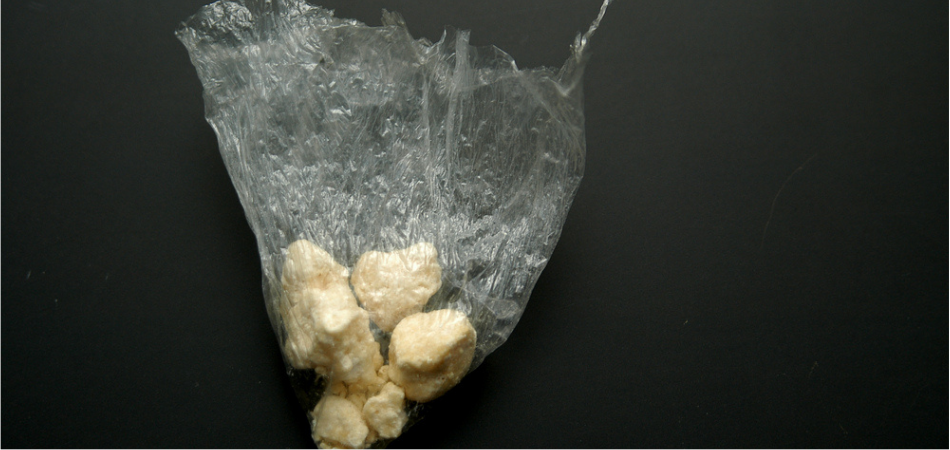
What is crack cocaine?
Crack cocaine is one of the most addictive stimulant drugs encountered in modern substance misuse. It is a potent, smokable form of cocaine, created by processing powdered cocaine with substances such as baking soda or ammonia into small, rock-like crystals. Unlike powdered cocaine, which is typically snorted, crack cocaine is most often smoked. This method allows the drug to enter the bloodstream almost immediately via the lungs, reaching the brain in seconds and producing an intense, fast-acting high.
Safe, medically supported Crack Cocaine detox with continuous clinical care and oversight throughout.
Crack Cocaine withdrawal can feel overwhelming during the detoxification process, but you don't have to go through it alone. Call now and our admissions team will walk you through exactly what to expect; at no cost and with no obligation.
Why is crack cocaine so addictive?
Crack cocaine’s addictive power stems from how it hijacks the brain’s reward system. When someone smokes crack cocaine, the drug reaches the brain extremely quickly, typically within about 10–15 seconds. This rapid delivery causes a massive surge of the neurotransmitter dopamine in key reward centres of the brain, particularly the nucleus accumbens, the area most closely tied to pleasure and reinforcement of behaviours. Under normal circumstances, dopamine rises in response to life‑sustaining activities (like eating or social connection) and then is quickly cleared. Cocaine blocks the dopamine transporter responsible for clearing dopamine out of the synapse, so the chemical accumulates and continues stimulating receptors far longer than nature intended.
That intense, immediate dopamine buildup creates a profound sense of euphoria, but the effects vanish just as fast. Because the high from crack is so short‑lived (often only a few minutes), users may smoke again and again in rapid succession simply to chase that initial peak feeling and avoid the uncomfortable comedown. This pattern of short bursts of intense pleasure followed by sharp crashes is one of the core drivers of compulsive use.
Over repeated use, the brain begins to adapt. Neural circuits that once balanced reward with judgement and self‑control become impaired, while other parts of the reward system become sensitised (more easily triggered). Protein regulators like ΔFosB accumulate in these circuits with repeated cocaine exposure, and these molecular changes can persist for weeks or even months. They strengthen the association between drug cues and reward, increase craving, and make relapse more likely even after long periods of abstinence.
The combination of crack’s rapid onset, powerful reinforcement of drug‑seeking behaviour, and lasting neurobiological changes explains why crack can quickly lead to loss of control over use and a compulsive drive to continue despite serious harm, all leading to crack cocaine addiction.

Signs and Symptoms of Crack Cocaine Addiction
Recognising crack cocaine addiction requires attention to a combination of psychological, behavioural, and physical changes.
Psychological and Behavioural Indicators
Crack cocaine dependence often manifests first through changes in behaviour and mood. Common psychological and behavioural signs include:
- Persistent, uncontrollable cravings: Individuals may feel an urgent need to use crack, often triggered by cues associated with previous use. These cravings can dominate thoughts and decision-making.
- Prioritising drug use over responsibilities: Work, school, family, and social obligations may be neglected as obtaining and using crack becomes the primary focus.
- Escalating frequency of use: Binge patterns are common, where repeated doses are taken in a short period to maintain the high or avoid withdrawal symptoms.
- Secretive or deceptive behaviour: Hiding use, lying to loved ones, or engaging in risky activities to access the drug are frequent behavioural changes.
- Mood disturbances: Anxiety, irritability, agitation, or paranoia often occur during periods of non-use, reflecting the brain’s adjustment to the drug and the intense comedown following a high.
Physical Changes
The physical impact of crack cocaine use is significant and often rapid due to its method of consumption and chemical potency. Physical signs include:
- Disrupted sleep: Insomnia or irregular sleep patterns can develop as the stimulant effects interfere with the body’s natural rhythms.
- Loss of appetite and weight loss: Crack use suppresses hunger, leading to malnutrition and rapid weight loss over time.
- Cardiovascular effects: Elevated heart rate, high blood pressure, and increased risk of heart strain are common.
- Neurological effects: Tremors, muscle twitching, headaches, and chronic fatigue may occur due to over-stimulation of the nervous system.
- Respiratory problems: Smoking crack can damage the lungs, leading to coughing, shortness of breath, and other chronic respiratory issues.
These signs are a reflection of crack cocaine’s potent influence on both the mind and body. The combination of compulsive behavioural patterns and physical deterioration drives continued use despite increasingly serious consequences. Clinically, recognising these signs early is crucial for intervention, as prolonged use reinforces neurobiological changes that make recovery more challenging.
The Continuum of Crack Cocaine Addiction
- Occasional use or recreational experimentation
- Minor mood changes or early behavioural shifts
- Slight disruption to routines or priorities
- More frequent use and developing cravings
- Secretive or deceptive behaviours, neglecting responsibilities
- Early physical effects appear: sleep disruption, appetite loss, mild cardiovascular changes
- Heightened mood disturbances such as irritability or anxiety
- Persistent, uncontrollable cravings and preoccupation with obtaining the drug
- Severe withdrawal symptoms when not using
- Significant physical deterioration: weight loss, tremors, chronic fatigue, respiratory and cardiovascular problems
- Risky behaviours or legal problems, alongside pronounced psychological effects like paranoia
Health Consequences of Continued Crack Cocaine Use
Crack cocaine’s potency and rapid action on the brain and body can trigger immediate physiological reactions and, over time, cause severe, long-lasting damage to nearly every major organ system. Understanding these consequences is essential for recognising the full scope of risk associated with crack cocaine abuse.
Short-Term Effects of Crack Cocaine
The immediate impact of crack cocaine use is dramatic. When smoked, crack rapidly enters the bloodstream and crosses the blood-brain barrier, producing a powerful but brief stimulant “rush.” This sudden surge of dopamine and other neurotransmitters creates intense euphoria but also places immense strain on the body.
Key short-term consequences include:
- Cardiovascular surge: Crack stimulates the sympathetic nervous system, increasing heart rate, blood pressure, and the force of cardiac contractions. This can cause chest pain, arrhythmias, and, in severe cases, a heart attack, even during first-time use.
- Elevated body temperature and hyperthermia: The central nervous system stimulation raises metabolic activity, which can result in dangerously high body temperatures. Extreme overheating can lead to muscle breakdown, kidney damage, and metabolic complications.
- Respiratory irritation: Smoking crack exposes the lungs to high temperatures and toxic chemicals, leading to coughing, shortness of breath, wheezing, and chest tightness. Severe reactions can include pulmonary bleeding or acute respiratory distress.
- Neurological “crash”: After the short-lived euphoric high, users experience a rapid drop in dopamine and serotonin levels, resulting in anxiety, agitation, irritability, and even panic attacks. This crash often fuels repeated use and deepens dependency.
These immediate effects illustrate how crack cocaine exerts powerful, rapid changes on multiple systems in the body, highlighting the dangers even in seemingly isolated use episodes.
Long-Term Effects of Crack Cocaine
Prolonged crack cocaine compounds these acute effects into chronic, systemic damage. Sustained use alters cardiovascular function, impairs mental health, and can permanently weaken organs, making recovery more challenging.
Key long-term consequences include:
- Cardiovascular damage: Continuous stimulation and blood vessel constriction increase the risk of persistent hypertension, arrhythmias, coronary artery disease, heart attacks, and strokes.
- Respiratory system harm: Chronic smoking can lead to lung inflammation, fibrosis, reduced lung capacity, and pulmonary hypertension, conditions sometimes collectively referred to as “crack lung”.
- Neurological and mental health complications: Long-term crack use damages brain regions responsible for memory, decision-making, and impulse control. Users are at increased risk of persistent anxiety, depression, paranoia, hallucinations, and psychosis.
- Nutritional and immune system decline: Appetite suppression, weight loss, and vitamin deficiencies are common. Immune function can also be compromised, increasing vulnerability to infections and slowing healing.
- Organ toxicity: Long-term use strains the liver and kidneys as they work to process toxins, increasing the likelihood of organ damage.
Chronic use transforms the body from a state of temporary strain to one of cumulative deterioration, leaving multiple systems compromised. These physical consequences often intertwine with psychological and social difficulties, reinforcing the cycle of crack cocaine addiction.
Mental Health Risks of Crack Cocaine Addiction
Crack cocaine has a profound and often destabilising impact on mental health. Crack creates intense cycles of stimulation followed by abrupt emotional crashes. Over time, this repeated disruption places significant strain on the brain’s chemistry, particularly the systems responsible for mood regulation, stress response, and perception of reality.
As crack cocaine misuse progresses into dependence, psychological symptoms often become more severe, more frequent, and more difficult to manage without professional support.

Common Mental Health Complications
Anxiety and panic attacks
Crack cocaine overstimulates the central nervous system, triggering a heightened “fight or flight” response. This leads to persistent feelings of unease, restlessness, and, in many cases, acute panic attacks. Users may experience racing thoughts, a pounding heart, and a sense of impending danger, even when no real threat is present. Over time, the brain becomes increasingly sensitive to stress, meaning anxiety can continue even during periods of abstinence.
Depression and emotional instability
While crack produces a brief surge of euphoria by flooding the brain with dopamine, this is followed by a sharp depletion of these “feel-good” chemicals. Repeated cycles of use reduce the brain’s natural ability to regulate mood, often resulting in prolonged depressive episodes. Individuals may feel emotionally flat, hopeless, or unable to experience pleasure, a state commonly referred to as anhedonia. Mood swings can also become more pronounced, shifting rapidly between agitation and low mood.
Paranoia and extreme suspicion
Chronic crack cocaine use can significantly distort perception and thinking. Users may become overly suspicious of others, believing they are being watched, judged, or targeted in some way. This paranoia is not simply heightened anxiety; it often reflects bigger changes in brain function, particularly in areas linked to threat detection and reasoning. In severe cases, these beliefs can become fixed and resistant to reassurance.
Aggression and irritability
The combination of heightened stimulation, poor impulse control, and disrupted emotional regulation can lead to increased irritability and, at times, aggression. Small frustrations may feel overwhelming, and reactions can become disproportionate or unpredictable. This can strain relationships, increase conflict, and contribute to social isolation, which in turn reinforces continued substance use.
Crack cocaine-induced psychosis (hallucinations or delusions)
One of the more serious mental health risks is the development of psychosis. This can include hallucinations (seeing or hearing things that are not there) and delusions (strongly held false beliefs). These episodes are often linked to heavy or prolonged use and may resemble conditions such as schizophrenia. In some cases, psychotic symptoms can persist even after stopping crack cocaine, requiring specialist psychiatric treatment.
Increased risk of self-harm or suicidal thoughts
The emotional crash following crack use, combined with longer-term depression and instability, significantly increases the risk of self-harm and suicidal thinking. Feelings of hopelessness, guilt, and emotional exhaustion can become overwhelming, particularly when paired with the chaotic lifestyle that often accompanies addiction. This risk should never be underestimated and requires immediate professional attention.
Recovery and Support at Banbury Lodge
Overcoming crack cocaine addiction is challenging, but it is entirely achievable with the right professional support. At Banbury Lodge, our specialist team provides personalised, evidence-based care to guide you safely through every stage of recovery.
Treatment begins with a medically monitored crack cocaine detox to manage withdrawal safely, followed by psychological therapies such as CBT to address the underlying causes of addiction. Our structured rehabilitation programmes provide daily routines, skill-building, and holistic therapies, while ongoing support and aftercare help prevent relapse and support long-term recovery.
With the right help, you can rebuild your health, regain stability, and create a lasting, crack-free future. Take the first step today by contacting Banbury Lodge to discuss how we can help you or a loved one begin recovery from crack cocaine addiction.
A healthier, Crack Cocaine-free life is possible, and it starts here
Whether this is your first step or support following a relapse, we provide expert care at every stage of recovery in a safe and supportive setting.
Frequently asked questions
(Click here to see works cited)
- NHS (2023). Cocaine and crack cocaine.
- National Institute on Drug Abuse (NIDA) (2023). Cocaine Research Report
- European Monitoring Centre for Drugs and Drug Addiction (EMCDDA) (2022). Cocaine: health effects and risks.
- NIDA (2023). Cocaine overdose and risks.
- British Medical Journal (BMJ) (2022). Cocaethylene toxicity and cardiovascular risk.
- NHS (2023). Getting help for drug addiction

