





Written by:

Medically Reviewed by:
Last Updated:
August 5th, 2026
Ketamine addiction
Ketamine is a powerful dissociative drug with legitimate medical uses in anaesthesia and, more recently, in certain controlled psychiatric treatments. However, outside of clinical settings, ketamine is frequently misused for its hallucinogenic and sedative effects. What may begin as recreational use can gradually develop into ketamine addiction, a pattern of compulsive drug use associated with significant physical, psychological, and neurological risks.
Because ketamine can produce feelings of detachment, euphoria, and altered perception, some individuals may begin using it as a way to escape stress, emotional distress, or difficult life circumstances. Over time, repeated use can alter brain chemistry and reinforce drug-seeking behaviour, making it increasingly difficult to stop without professional support.
Understanding how ketamine affects the body and brain, recognising the warning signs of dependence, and knowing when to seek help are important steps in preventing long-term harm and supporting recovery.
Defining Ketamine Addiction
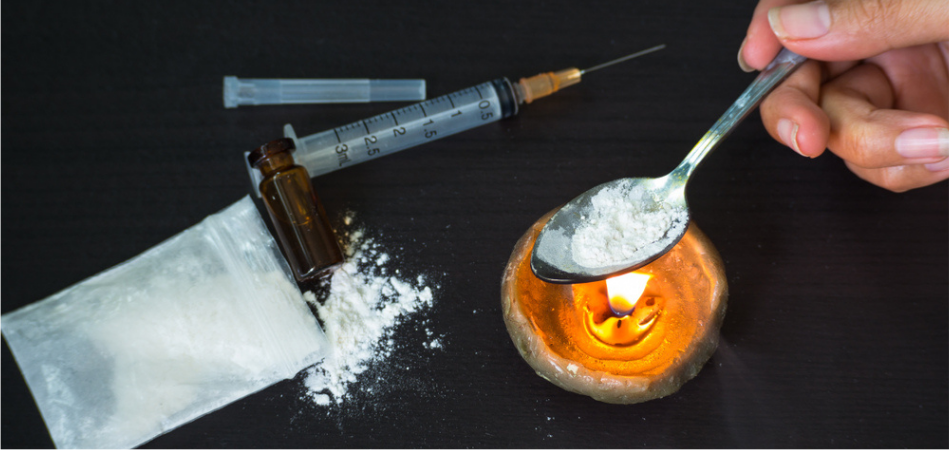
Ketamine addiction, sometimes referred to clinically as ketamine use disorder, occurs when an individual develops a persistent and compulsive pattern of ketamine use despite experiencing harmful consequences. While ketamine does not always produce the same physical withdrawal patterns associated with substances such as alcohol or opioids, it can lead to strong psychological dependence and behavioural addiction.
Repeated ketamine use affects the brain’s reward circuitry, particularly pathways involving dopamine and glutamate, which play key roles in motivation, learning, and the experience of pleasure. As these pathways adapt to repeated exposure, the brain begins to associate ketamine with relief, reward, or emotional escape. This process reinforces continued use and can lead to cravings and reduced control over consumption.
Individuals with ketamine addiction may begin using larger amounts over time, increasing the frequency of use, or continuing to take the drug even when it causes health problems, financial strain, or damage to relationships.
As with other substance use disorders, the severity of ketamine addiction can range from mild to severe depending on the level of behavioural control, physical harm, and psychological reliance on the drug.
Your Ketamine-free future
starts with one phone call.
Understanding How Ketamine Works in the Body
Ketamine affects multiple systems in the body, particularly the brain and central nervous system. Unlike many other recreational drugs, ketamine produces dissociative effects, meaning it disrupts the brain’s ability to integrate sensory information and perception.
This is why users often report feeling detached from their body, surroundings, or sense of reality.
Absorption and Distribution
Ketamine can be taken in several ways, including snorting, swallowing, injecting, or smoking when mixed with other substances. Once consumed, it is rapidly absorbed into the bloodstream and distributed throughout the body.
Because ketamine is highly lipid soluble, it crosses the blood-brain barrier quickly and begins affecting the central nervous system within minutes.
The liver metabolises ketamine into several compounds, including norketamine, which continues to produce psychoactive effects before eventually being eliminated through urine.
The Brain and Nervous System
Ketamine primarily affects the brain by blocking N-methyl-D-aspartate (NMDA) receptors, a subtype of glutamate receptor that plays an important role in learning, memory, and neural communication.
By disrupting these receptors, ketamine interferes with normal brain signalling, producing several characteristic effects:
- Dissociation from surroundings and body
- Distorted perception of time and space
- Hallucinations or dream-like experiences
- Reduced sensation of pain

At lower doses, ketamine may produce mild euphoria and relaxation. At higher doses, users may experience a state commonly known as a “K-hole”, where individuals feel completely detached from reality and unable to move or communicate.
Repeated exposure can alter neural pathways involved in reward, emotional regulation, and cognition. Over time, these neurobiological changes contribute to psychological dependence and compulsive ketamine abuse behaviour.
Cardiovascular System
Ketamine stimulates the sympathetic nervous system, which often leads to an increased heart rate and elevated blood pressure. In controlled medical settings, these effects can be beneficial during anaesthesia because they help maintain cardiovascular stability. However, repeated recreational use may place sustained strain on the cardiovascular system.
Over time, frequent ketamine use may contribute to persistent hypertension, irregular heart rhythms, and increased cardiovascular stress, particularly in individuals who already have underlying heart conditions or who combine ketamine with other stimulants.
Digestive System
Ketamine can also affect the digestive system, producing nausea, vomiting, and abdominal discomfort. Some individuals experience reduced appetite or digestive irritation following repeated use.
Chronic misuse may contribute to ongoing gastrointestinal disturbances, particularly when ketamine is taken frequently or combined with other substances.
Urinary System
One of the most distinctive and serious complications of long-term ketamine misuse is damage to the urinary tract. Chronic exposure to ketamine and its metabolites can irritate the lining of the bladder, leading to inflammation known medically as Ketamine-induced ulcerative cystitis.
Because ketamine is eliminated through urine, repeated use exposes the bladder lining to toxic metabolites that can gradually damage the protective tissue. Over time, this irritation can lead to bladder wall ulceration, bleeding, and scarring.
Many people who misuse ketamine begin to experience urinary symptoms within months of regular use, although the exact timeline varies depending on frequency and dosage.
Early symptoms may include:
- Frequent urination, sometimes every 15–30 minutes
- A sudden and urgent need to urinate
- Pain or burning during urination
- Pelvic or lower abdominal discomfort
With continued use, symptoms can become more severe and may include:
- Blood in the urine
- Severe bladder pain
- Difficulty passing urine
- Incontinence or loss of bladder control
As inflammation progresses, the bladder may begin to shrink and lose elasticity. In severe cases, bladder capacity can become drastically reduced, forcing individuals to urinate extremely frequently and causing constant pelvic pain. Some people with advanced ketamine bladder damage require surgical intervention or long-term urological treatment.
Stopping ketamine use early can sometimes allow partial healing of the bladder lining, but prolonged misuse may lead to permanent damage.
Typical Timeline of Ketamine Bladder Symptoms
- Weeks to months: increased urination and urgency
- Several months: bladder pain and burning during urination
- 1–2 years of heavy use: bleeding, severe pain, reduced bladder capacity
- Long-term chronic use: permanent bladder damage or surgery
Short-Term Effects of Ketamine Misuse
Even occasional misuse of ketamine can produce rapid and noticeable psychological and physical effects. Ketamine effects typically begin within minutes of intake, and can last between 30 minutes and several hours depending on the dose and method of use.
The intensity of these effects varies based on factors such as the amount taken, the purity of the drug, the user’s tolerance, and whether other substances are used at the same time.
Psychological and Cognitive Effects
Shortly after taking the drug, users may experience a sense of detachment from their body, surroundings, or sense of identity.
Common psychological effects include:
- Dissociation or feeling disconnected from the body
- Altered perception of time and space
- Visual or auditory hallucinations
- Confusion or difficulty concentrating
- Distorted sensory perception
- Euphoria or emotional numbness
At higher doses, individuals may experience an intense dissociative state sometimes referred to as the K-hole, in which awareness of the external environment becomes severely impaired. During these episodes, users may feel completely detached from reality, lose awareness of their physical surroundings, or have difficulty communicating with others.
Physical Effects
Ketamine also produces a range of physical symptoms due to its impact on the central nervous system and cardiovascular system. These effects can impair coordination, balance, and normal sensory processing.
Common short-term physical effects include:
- Slurred speech
- Impaired coordination and balance
- Dizziness or blurred vision
- Nausea and vomiting
- Increased heart rate
- Elevated blood pressure
- Reduced sensitivity to pain
Because ketamine affects motor control and judgement, individuals who are intoxicated may struggle to perform basic tasks safely. Activities such as walking, driving, or navigating unfamiliar environments can become dangerous.
Immediate Risks
In some situations, acute ketamine misuse can lead to more serious complications, particularly when high doses are taken or when the drug is combined with other substances.
Potential immediate risks include:
- Severe dissociation or loss of awareness of surroundings
- Panic reactions, paranoia, or extreme confusion
- Dangerous impairment of judgement and perception
- Accidental injury due to poor coordination or disorientation
Combining ketamine with other substances significantly increases these risks. When used alongside depressants such as alcohol, benzodiazepines, or opioids, ketamine can contribute to dangerous levels of sedation and respiratory suppression.
Polydrug use is a common factor in drug-related medical emergencies, as the combined effects of multiple substances can place significant strain on the brain, heart, and respiratory system.
Reach out today for Ketamine rehab guidance
Our admissions team will guide you towards the right Ketamine addiction treatment programme and answer all your questions, completely free of charge and with no obligation.
Long-Term Effects of Ketamine Misuse
While some people may initially view ketamine as a relatively low-risk recreational drug, repeated ketamine misuse can lead to significant long-term health complications. Because ketamine affects multiple organ systems and alters brain chemistry, prolonged exposure may gradually cause both physical and psychological harm.
One of the most well-known complications is chronic bladder damage, medically referred to as Ketamine-induced ulcerative cystitis. Long-term ketamine use can irritate and inflame the bladder lining, leading to persistent pelvic pain, frequent urination, blood in the urine, and in severe cases, permanent reduction in bladder capacity.
Beyond urinary complications, chronic ketamine misuse has also been associated with:
- Persistent memory and concentration difficulties
- Mood disturbances such as anxiety or depression
- Ongoing gastrointestinal discomfort
- Increased strain on the cardiovascular system
- Tolerance and psychological dependence equating to ketamine addiction
Over time, individuals may find that larger doses are needed to achieve the same effects, increasing the risk of further physical damage and reinforcing patterns of compulsive use. Without intervention, these long-term effects can significantly impact overall health, quality of life, and psychological wellbeing.
Ketamine and Mental Health
Ketamine’s relationship with mental health is complex. Some may even find it confusing how negatively ketamine can affect one’s mental health drastically, considering how it’s sometimes used to treat severe depression when in controlled clinical settings. However, ketamine is not to be underestimated as it can not only worsen underlying mental issues, it can trigger them.
Chronic users may experience:
- Persistent low mood
- Emotional numbness
- Reduced motivation and energy
Over time, this can create a cycle of psychological ketamine dependence where individuals feel unable to manage emotions or daily life without the drug.

Signs of Ketamine Addiction
Recognising ketamine addiction early is critical for effective intervention and treatment. Because ketamine affects brain chemistry, reward pathways, and multiple organ systems, dependence often manifests through a combination of behavioural, psychological, and physical indicators.
Behavioural Signs
Ketamine addiction frequently involves compulsive patterns of use that interfere with daily life. Key behavioural signs may include:
- Increasing the frequency or amount of ketamine used to achieve the desired effects, reflecting the development of tolerance
- Spending considerable time obtaining, preparing, or using the drug
- Neglecting responsibilities at work, school, or home
- Continuing use despite negative consequences, including physical harm, relationship strain, or legal issues
These behaviours reflect the loss of control over use characteristic of substance use disorders and the reinforcing nature of ketamine’s effects on the brain’s reward circuitry.
Psychological Signs
Repeated ketamine use alters neural pathways involved in motivation, learning, and emotional regulation, producing noticeable psychological symptoms, such as:
- Strong cravings or intrusive thoughts about using ketamine
- Mood fluctuations, irritability, or emotional blunting
- Anxiety, restlessness, or agitation when ketamine is unavailable
- Reduced interest in previously enjoyable activities or hobbies, often replaced by preoccupation with obtaining or using the drug
These cognitive and emotional changes are signs of developing psychological dependence, which can persist even after periods of abstinence.
Physical and Social Signs
Long-term ketamine misuse can produce a range of physical and social consequences, many of which are distinctive to the drug:
- Urinary complications such as pain, frequent urination, or blood in the urine, often linked to Ketamine-induced ulcerative cystitis
- Gastrointestinal issues, including nausea, vomiting, or abdominal discomfort
- Changes in appetite or body weight
- Sleep disturbances and chronic fatigue
- Withdrawal from friends, family, or social activities due to prioritising drug use
When multiple behavioural, psychological, and physical signs occur together, they may indicate the development of ketamine addiction and signal a need for professional support.
Help for Ketamine Addiction
Recovery from ketamine addiction is most successful when individuals receive structured professional support. Treatment typically focuses on addressing both the psychological drivers of addiction and the physical consequences of long-term drug use.
In a ketamine rehabilitation setting, individuals may receive:
- Medical assessment and stabilisation
- Psychological therapies such as cognitive behavioural therapy
- Support in identifying triggers and relapse risks
- Guidance for rebuilding healthy routines and coping strategies
Ketamine addiction is a serious but treatable condition. With the right combination of medical care, therapeutic support, and ongoing recovery planning, individuals can regain control of their lives.
If you or a loved one is struggling with addiction, professional help with ketamine can make a meaningful difference. The specialist team at Banbury Lodge provides personalised treatment programmes designed to support long-term recovery and help individuals rebuild a healthier future away from ket addiction.
A healthier, Ketamine-free life is possible, and it starts here
Whether this is your first step or support following a relapse, we provide expert care at every stage of recovery in a safe and supportive setting.
Frequently asked questions
(Click here to see works cited)
- American Psychiatric Association. (2022). Diagnostic and Statistical Manual of Mental Disorders (5th ed., text revision).
- Morgan, C. J., & Curran, H. V. (2012). Ketamine use: A review. Addiction, 107(1), 27–38.
- National Institute on Drug Abuse (NIDA). (2023). Ketamine drug facts.
- World Health Organization. (2016). The health and social effects of nonmedical ketamine use.
- Muetzelfeldt, L., Kamboj, S., Rees, H., Taylor, J., & Morgan, C. J. (2008). Journey through the K-hole: Phenomenological aspects of ketamine use. Drug and Alcohol Dependence.
- Shahani, R., et al. (2007). Ketamine-associated ulcerative cystitis. Urology.

