





Written by:

Medically Reviewed by:
Last Updated:
August 6th, 2026
Morphine addiction
Morphine addiction rarely begins with the intention to misuse a drug. For many people, it starts with pain management after surgery, injury or a long-term health condition, where morphine provides genuine relief and a sense of normality during difficult circumstances. The problem is that over time, the body can begin to rely on that relief, making it harder to cope without the medication.
At Banbury Lodge, we understand the complex nature of morphine addiction and the challenges that come with opioid dependence.
What is morphine and how does it work?
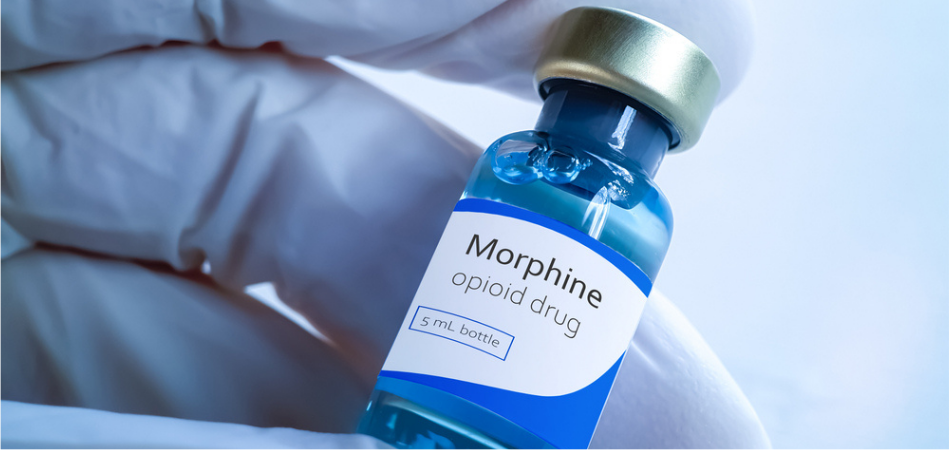
Morphine is a powerful prescription drug and is a naturally occurring alkaloid found in opium poppy plants. The drug works by binding to certain brain and spinal cord receptors, which reduces pain and promotes feelings of relaxation and euphoria.
Morphine is typically used to relieve severe or chronic pain and is available in various forms, including pills, injections, and patches.
While morphine can be highly effective for pain relief, it carries a high possibility of addiction if abused or misused. But what makes the drug so addictive?
Your Morphine-free future
starts with one phone call.
Is morphine addictive and why?
Morphine can be highly addictive because it stimulates the brain’s reward centre and causes feelings of pleasure and euphoria. The drug also reduces pain and induces a sense of calmness and relaxation, making it tempting to use for both medical and non-medical purposes. Over time, people who use morphine may develop a tolerance to the drug, meaning they need higher doses to achieve the same effects, leading to dependence and addiction.
How does a morphine addiction develop?
Morphine addiction can develop gradually due to increased tolerance, leading to larger doses or more frequent use. This can result in physical and psychological dependence, prompting continued use despite negative consequences, even when initially taken as prescribed for pain management.
Morphine addiction can also develop in the following ways:
- Illegally obtained morphine: if a person is obtaining morphine in illegal ways, such as buying on the UK black market or stealing prescribed medication from family members or friends, this could open the door to morphine addiction.
- Genetics: Some studies suggest that addiction to drugs such as morphine can be down to specific genes, although it’s worth noting that more research is needed in this field.
- Environmental factors: Research suggests that poor environmental conditions of an individual can increase the risk of overall drug addiction.
When does morphine use become a problem?
Morphine is prescribed to manage severe pain, but because it directly affects the brain’s reward and pain systems, it also carries a high risk of dependence when it is not used as intended. The line between medical use, misuse and addiction is not always obvious at first, which is part of what makes morphine so difficult for many people to recognise as a growing problem.
Morphine misuse and morphine abuse are closely connected, but there is a slight difference between the two:
- Morphine misuse usually means taking the medication in a way it was not prescribed, such as using higher doses, taking it more frequently, using someone else’s prescription or continuing beyond the recommended timeframe.
- Morphine abuse refers to using morphine for non-medical reasons, often to experience relaxation, escape emotional distress or achieve a euphoric “high”.
In reality, the two often overlap. What begins as an attempt to manage pain more effectively can gradually shift into psychological reliance, increased tolerance and compulsive use. Because morphine is an opioid, the body can adapt to it quickly, meaning larger amounts may be needed over time to achieve the same effects.
Whether misuse or abuse is involved, both behaviours can significantly increase the risk of dependence, addiction and overdose.
Is morphine an issue in the UK?
Determining if (specifically) morphine is an issue in the UK is a difficult task; as there are no precise numbers available regarding fatalities caused by morphine alone. This is because illicit opiates, such as heroin, are quickly converted into morphine in the body, making it difficult to isolate morphine as the singular cause of death in overdose cases. Because of these difficulties, most statistics will report heroin and morphine as a cause of death.
Additionally, the use of morphine as a legally prescribed medication also poses challenges in gathering data on its prevalence in the UK black market.
To simplify the complications of reporting morphine use, researchers use Morphine Milligram Equivalent (MME) units to make it easier to measure the total morphine and morphine derivatives sold by UK pharmacies. Once we break down the amount of morphine and morphine derivatives sold, we can make an educated guess on the issues the UK has with the drug.
Below, we have highlighted some of the most worrying facts that can be obtained;
In 2019, the UK had the highest daily consumption rate of MMEs per 1000 inhabitants at 1353, followed by Germany at 1104, the US at 1101, and Canada at 1039. When we take into consideration that it typically takes 250 mg of morphine to kill an adult, these numbers are concerning.
From 2012-2021, the UK saw a 109% increase in deaths (579 to 1213 respectively) due to drug poisoning by the category heroin and morphine
Over 5.5 million adults in England alone were prescribed some form of opioid pain medicine between 2017-2018, including morphine.
In 2020, a UK study showed that between 2006-2017, of those who were prescribed high doses of morphine or a morphine derivative, 14.6% were classed as long-term opiate users within the first year of initial use.
From these four stats alone, it’s clear to see morphine use in the UK is reaching worrying levels. But why is a morphine addiction so damaging to an individual?
What makes morphine addiction so devastating to a person?
One of the most significant reasons why morphine addiction is so devastating is the physical and psychological dependence it creates.
Regular use of morphine leads to changes in the brain’s chemistry, which causes the body to become dependent on the substance to function normally. Once a person becomes addicted to morphine, they will experience withdrawal symptoms if they try to stop using the drug. These withdrawal symptoms include;
- Muscle aches and pains
- Sweating
- Nausea and vomiting
- Diarrhoea
- Restlessness and agitation
- Anxiety
- Insomnia
- Runny nose and teary eyes
- Tremors and shaking
- Rapid heartbeat and increased blood pressure
- High fever and chills
- Depression and mood swings

Besides physical dependence, morphine addiction also has severe social and financial consequences. People who are addicted to morphine often struggle to maintain relationships, hold down jobs, or maintain their finances. This is because they prioritise their drug use above everything else and may engage in risky behaviours, such as stealing or selling drugs to support their addiction.
Morphine addiction can also lead to a range of health problems including:
- Reduced heart rate
- Low blood pressure
- Weakened immune system
- Risk of overdose and death
- Respiratory depression
Reach out today for Morphine rehab guidance
Our admissions team will guide you towards the right Morphine addiction treatment programme and answer all your questions, completely free of charge and with no obligation.
How can I spot the signs and symptoms of morphine addiction in myself?
If you have been using morphine for an extended period, it’s crucial to be aware of the signs and symptoms of morphine addiction to get the necessary help before it causes further harm to your health and well-being.
Below, we have created a short questionnaire that you can ask yourself or a loved one:
- Are you experiencing intense cravings for morphine?
- Do you continue to use morphine despite negative consequences such as financial or relationship problems?
- Do you feel as though you have an increased tolerance to morphine, leading to higher doses to achieve the same effect?
- Are you experiencing withdrawal symptoms such as sweating, nausea, or vomiting when not using morphine?
- Are you noticing a loss of interest in hobbies or activities once enjoyed?
- Do you find yourself being secretive with your behaviour and hiding drug use from loved ones?
- Have you been neglecting personal hygiene and appearance?
- Are you noticing mood swings or sudden changes in behaviour, outlook, or personality?
These are common morphine addiction symptoms, and if answering “yes” to several of these questions, it may be time to seek professional help, as it may indicate a growing dependence on the drug.
I think my loved one is addicted to morphine, what can I do?
At Banbury Lodge, we understand just how difficult it can be to watch your loved one go through addiction. If you feel as though your loved one is forming an issue with morphine, necessary steps need to be taken in order for them to get the help that they need. Below, we have listed some helpful advice on how you can help them.
- Start by talking to your loved one privately and expressing your concerns. Try to be non-judgmental, caring, and supportive.
- Encourage your loved one to seek professional help and discuss possible treatment options.
- Help your loved one make a plan to stay sober and support them in their recovery. This may involve making lifestyle changes, finding new hobbies and building a supportive network of friends and family.
- Set boundaries by making clear what behaviour is acceptable and unacceptable.
- Try not to enable them by giving them money to buy morphine or allowing them to use around you.
- Make sure that you take care of yourself. Living with a person with an addiction can be mentally and physically taxing on anyone. Make sure you take the time out to look after your physical and mental health.
What does Banbury Lodge offer for morphine addiction?
Banbury Lodge offers a safe and gradual morphine detox programme, alongside a comprehensive morphine rehab programme to address emotional and psychological issues related to addiction. Aftercare support includes ongoing therapy, support groups, and relapse prevention planning.
What’s next?
If you or a loved one is struggling with morphine addiction, seeking professional help is crucial. Especially as early intervention through morphine addiction treatment can prevent serious health complications and improve long-term recovery outcomes.
Our team of medical and psychiatric professionals are dedicated to guiding and supporting you throughout the recovery process. Don’t let addiction control your life any longer; take the first step towards recovery and contact Banbury Lodge today to learn more about our effective treatment options.
A healthier, Morphine-free life is possible, and it starts here
Whether this is your first step or support following a relapse, we provide expert care at every stage of recovery in a safe and supportive setting.

