




Last Updated:
October 5th, 2026
Families dealing with addiction usually start in the same place, wondering if what they’re seeing is a real problem and not sure who to tell. Not knowing can mean it goes unchecked until things at home start getting really bad. For some families, relationships really suffer. For others, bills go unpaid and everyday life starts to fall apart. People call addiction a “family illness” because it affects everybody, not just the person drinking or using drugs. None of this is the family’s fault. And addiction is very treatable, with the right support. We’ll go through what to look out for and how you can help them get the right treatment and support.
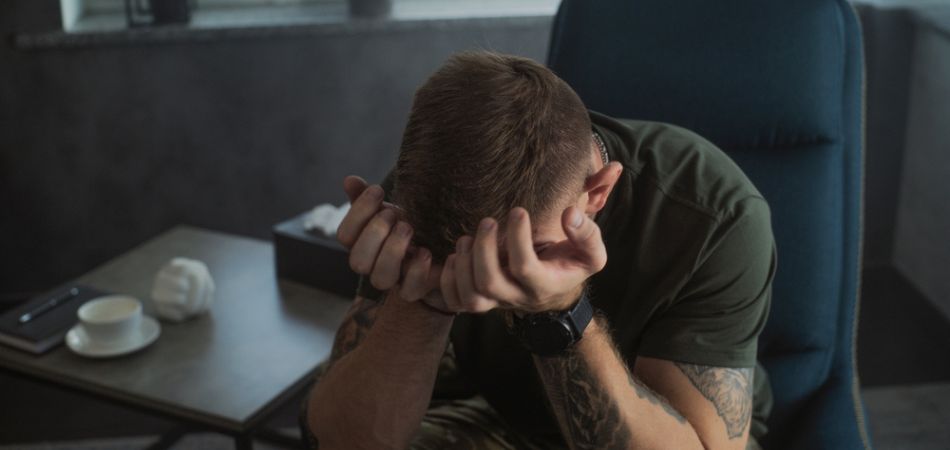
How addiction affects families
Living with addiction often means the worry and stress never end. The same arguments can keep coming back, night after night, and there’s less time left for anything else. One way to understand the effects of addiction on family is to look at the roles people take on. One partner may end up needing to look after the bills, children, housework, and everything else. Sometimes a child ends up doing jobs no child should have to do, like caring for their parent while taking care of themselves, getting to school on their own, and running the household.
With both drug and alcohol addiction and family, the rows often start small, like never being home for dinner, money that doesn’t add up, promises constantly being broken, and an increasingly uncaring attitude.
People outside the home may not notice addiction and family dynamics change, as many families try to hide it from even close relatives. This can stop well-meaning people from trying to help, leaving the family to continue struggling on their own
Additional Read: Behind Every Recovery Is a Family That Refused to Give Up
Recognising a drug or alcohol addiction
It isn’t always easy to tell when someone’s drinking or drug use has become an addiction. Alcoholism, drug addiction and family life can look normal on the surface for a long time before things come to a head.
Some clearer signs to look for include them using or drinking more than they mean to, finding it hard to cut back, needing more for the same effect, or withdrawal symptoms when they stop, like shaking, sweating, feeling on edge, or being depressed for no clear reason.
Behavioural signs include them missing work or plans because of substances, not being able to help around the home, changes in personality, and carrying on despite the damage it’s obviously causing to your family.
If there’s a safety risk or medical emergency
It helps to know when things turn dangerous and to put your own safety above everything else. If drink or drugs make someone frightening, aggressive, violent or unpredictable towards you or someone in the house, you should leave if possible, and get help if you can’t.
Official figures on domestic abuse found that 16.6% of victims believed drink was involved and 10.6% believed illicit drugs were involved. Refuge runs the National Domestic Abuse Helpline on 0808 2000 247. It’s open 24/7 and can help with a safety plan.
Another risk of alcohol and drug addiction is to the person themselves. If someone stops drinking or using certain drugs suddenly, withdrawal can be very dangerous. Alcohol and benzodiazepine withdrawals are the riskiest, but most substance withdrawals carry some risk without professional support. Withdrawal from alcohol and benzodiazepines can lead to seizures, confusion, hallucinations, or death.
The risk of overdose on many drugs increases greatly when someone quits for a while and then starts again because tolerance drops. If your family member is deeply confused, can’t be woken, has taken far more than is safe, or is struggling to breathe, ring 999 or take them straight to A&E.
Talking to a loved one about addiction
This first conversation is a point that many families helping an addict (an old term we never use at UKAT) look back on and see as a turning point. How you plan this conversation is crucial. Don’t ambush them with it mid-row, or when something really worrying has just happened. Let things settle, and wait until they’re sober before you try.
Say what you’ve noticed, plainly, and how it’s affected you, without opening with an accusation. Give them time to answer, without adding more. If you shout, threaten, pile on the guilt, or lay down an ultimatum, they’re more likely to shut down than open up.

Supporting them, and knowing what you can’t control
Support and enabling can look identical, but they pull a family in opposite directions. Supporting someone with addiction properly means you don’t vanish from their life, but you don’t make their addiction easier. Many families enable even though they mean well, by covering a debt, ringing in sick for them, hiding how much it’s hurting the family, or making constant excuses for them.
Setting boundaries with an addict starts with being honest about what you will and won’t accept, and staying firm when they test you. You might tell them you won’t lend the car again, or refuse more cash. But boundaries have their limits. Loving someone completely can’t make them ready to change, no matter how many times you’ve asked, argued, pleaded, or tried to bargain. Their addiction treatment can only work once they’ve decided for themselves.
Supporting treatment and recovery
Treatment looks different for every family, and may start with a GP visit, a referral to a local service, counselling, or a residential rehab programme at a treatment centre like Banbury Lodge. We provide extensive family support for addiction, including intervention planning advice and family therapy while your loved one is in rehab.
Recovery hardly ever moves in a straight line, which can be disheartening. Only 46% of people finished treatment last year in England, but many who quit will still have made real progress. Supporting recovery involves expecting setbacks, and 40-60% of people relapse at some point. They’re often a sign that something needs tweaking rather than the entire treatment plan failing. Try to be patient, look at the positives, and go again together.
Looking after yourself and the rest of the family
The time that a loved one is in residential treatment can be worrying, but it can also provide some respite. Family members of addicts often put their own needs last, and this can be a chance for you to prioritise yourself for once. Do things that make you happy, spend time with friends and family, get enough sleep, eat well, and relax.
If there are children who have been affected by addiction, take care of their needs before anything else. Children can be hugely affected by living with someone who has an addiction, but they can be incredibly good at hiding the impacts. There is help for families both from recovery services like Banbury Lodge and local support groups like Al-Anon. No child or any other relative should have to live with the fear and worry of addiction. Keep yourselves safe, and if you can, help your loved one get the support they need.
Talk to Banbury Lodge today
You can contact Banbury Lodge at any stage, whether you’re just starting to work things out or your family has been struggling for years. Whether you want someone to talk to, a clearer idea of treatment, or just a place to start, Banbury Lodge can advise and support you. We know that getting help for addiction can be scary, but we have helped countless families just like yours.
(Click here to see works cited)
- Mikulić, Mirjana, et al. “Burden and Psychological Distress in Caregivers of Persons with Addictions.” Challenges, vol. 14, no. 2, 2023, article 24, doi.org/10.3390/challe14020024.
- National Institute for Health and Care Excellence. Alcohol-Use Disorders: Diagnosis and Management of Physical Complications. NICE guideline CG100, 2010, www.nice.org.uk/guidance/cg100.
- Office for Health Improvement and Disparities. “Adult Substance Misuse Treatment Statistics 2024 to 2025: Report.” GOV.UK, 4 Dec. 2025, www.gov.uk/government/statistics/substance-misuse-treatment-for-adults-statistics-2024-to-2025/adult-substance-misuse-treatment-statistics-2024-to-2025-report.
- Office for National Statistics. “Partner Abuse in Detail, England and Wales: Year Ending March 2018.” ONS, 25 Nov. 2020, www.ons.gov.uk/peoplepopulationandcommunity/crimeandjustice/articles/partnerabuseindetailenglandandwales/yearendingmarch2018.

