




Last Updated:
September 24th, 2026
Most people who develop an alcohol or drug addiction believed at some point that they could stop whenever they chose. In the early stages, that belief is usually accurate. They’re still not drinking or using drugs every day, and the effects still seem to be under control. The problem is that addiction makes stopping harder than expected, and it does that gradually, with no warning until the moment someone tries.
Understanding how addiction denial develops and the importance of getting professional help when the phrase “I can stop anytime” has stopped being true.
Why substance use can feel controllable at first
At first, most people drink and use drugs socially or from time to time, and it doesn’t affect their work or relationships too much. The substance helps them relax, makes them more confident, relieves a bit of stress, or helps them have a good time, and because nothing has gone wrong yet, there is no obvious reason to stop.
For many people, this stage lasts a long time and substance use may never go any further. They keep their job and their relationship going, and everything seems fine. But in some cases, this is where things start to go wrong. If there are no negative consequences, some people start to drink more or use more drugs, and slowly tolerance begins to build. Tolerance means the brain adapts to a substance, requiring progressively more of it to produce the same effect.
A drink or two to relax then becomes three or four because two isn’t enough to help them relax. They use more drugs each time, and more often, and each small rise doesn’t seem like a big problem because it’s only slightly more than the last.
This escalating use is an early sign of losing control, which is a key feature of addiction. By the time someone notices they’re using or drinking more than they realised or ever thought they would, the brain has already changed a lot.
What addiction does to the brain
Substances act on the brain’s reward system. They trigger a release of dopamine bigger than anything natural rewards like food, exercise, or spending time with people can match. The brain reads this as a signal to get more, and changes its structure and function around substance use.
Natural pleasures start to feel less pleasurable because so much dopamine has been available through drugs or alcohol that the brain becomes less sensitive to it. Ever bigger amounts of the substance become the only way for the brain to get any reward, and the person loses motivation and interest for everything else.
At the same time, they lose real control over their own decisions. The prefrontal cortex is the part of the brain that weighs up consequences and moderates behaviour. The longer someone uses drugs or drinks, the less able it gets to override a craving.
There are two main parts of addiction. Physical dependence means the body has adapted to the substance, so it produces withdrawal symptoms when someone stops drinking or using drugs. These can range from mild discomfort to a medical emergency, depending on the substance and how long someone has used it.
Psychological dependence means the substance has become the main way someone copes with anxiety, stress, low mood, or hard emotions. Take it away, and those feelings are still there, unmanaged. For someone who has leaned on a substance to get through difficult feelings for years, stopping takes away the coping tool before anything else has replaced it.
Both forms of dependence mean that even wanting to stop doesn’t mean someone will be able to. Many people in active addiction have genuinely meant it every time they said they would cut down or quit. When they fail, it isn’t because they were weak or didn’t have enough willpower. It just shows how far the dependence has progressed and how powerful drug and alcohol addiction are.
The warning signs that control is being lost
The signs that substance use is becoming addiction are often visible before the person using recognises them. Some of the most common include:
- Trying to cut down, and finding it’s consistently harder than they thought it would be.
- Making promises to stop or cut back, then going back to using or drinking.
- Continuing despite real consequences to health, school, relationships or work.
- Hiding use from loved ones or getting defensive when they bring it up.
- Needing the substance to feel normal, not to feel good.
These signs are all evidence that as addiction takes over more and more of a person’s life, the harder it becomes to stop.
The role of denial and shame in addiction
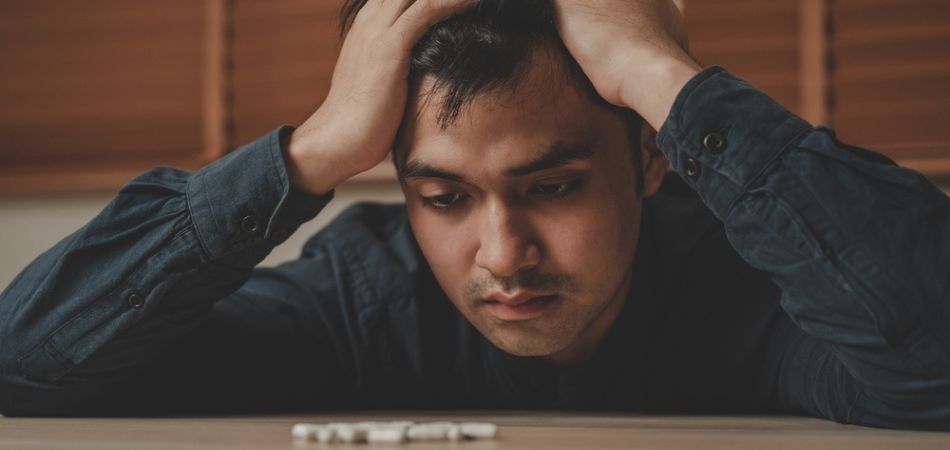
Denial is one of the reasons addiction goes unaddressed for so long. People often mistake it for dishonesty or self-deception, when it’s really a predictable response to what addiction does to the brain. The same changes in the brain that make stopping hard also make it harder to see how serious things have become. But the earlier someone recognises it, the sooner treatment can start, before the consequences pile up.
Shame stops people from getting help too. Research in 2025 found that between 22% and 40% of people with an addiction said stigma stopped them seeking help. They’re afraid of being judged or confirming that they have an addiction because they’re ashamed of it. One thing that Banbury Lodge tries to explain to everyone who contacts us is that shame is completely normal but that addiction isn’t their fault.
Taking back control
The phrase “I can stop anytime” is often hardest to question right at the point it stops being true. The belief has often been around for a long time, and looking at it honestly is hard when shame makes you want to hide the problem and denial makes you doubt there is one. Asking for help starts with admitting you need it. That admission is the moment someone takes an honest look at their situation and decides to do something about it.
Professional treatment for addiction usually means medically supervised detox to manage withdrawal safely, rehab therapy that gets at the reasons behind the addiction, and ongoing aftercare that builds the tools to stay in recovery once treatment ends. That mix of medical care and psychological work is what makes treatment different from trying to stop alone.
Willpower can get you to the decision to stop. Treatment deals with why stopping is hard in the first place, and builds the conditions that make staying stopped possible. Recovery comes from having support, structure, and treatment in place, while active addiction carries on without them.
Once someone recognises that the situation needs professional help, that’s the first step. It’s where taking back control begins, the moment they stop working around the addiction and start dealing with it head-on.
Get help at Banbury Lodge
If you or someone you love has reached the point where stopping is no longer possible without support, Banbury Lodge can help. Get in touch today for a free, confidential conversation about what treatment could look like for you.
(Click here to see works cited)
- “Addiction: What Is It?” NHS, www.nhs.uk/live-well/addiction-support/addiction-what-is-it/. Accessed 1 Aug. 2026.
- Galanis, Christina R., et al. “Stigma in Substance-Based and Behavioural Addictions: A Systematic Review.” Journal of Behavioral Addictions, vol. 14, no. 1, 2025, pp. 1–20. doi:10.1556/2006.2024.00072.

