





Written by:

Medically Reviewed by:
Last Updated:
August 5th, 2026
Heroin addiction
Heroin is widely regarded as one of the most dangerous and destructive substances in the world. Classified as a Class A drug in the UK, it is derived from morphine and belongs to the opioid family. Its capacity for rapid physical dependence, severe withdrawal, and fatal overdose places heroin addiction among the most serious and complex conditions in substance misuse treatment.
Understanding heroin’s all-consuming potency, how it acts on the brain and body, and the wide-ranging health consequences of use is vital for anyone seeking help or supporting someone affected by heroin addiction.
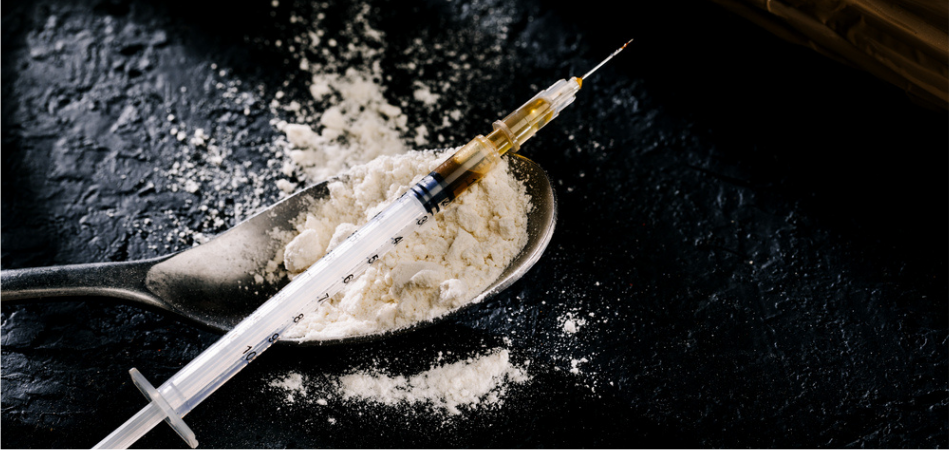
What is Heroin?
Heroin (diacetylmorphine) is a semi-synthetic opioid drug derived from morphine, which itself is extracted from the seed pods of the opium poppy plant (Papaver somniferum). The conversion of morphine into heroin was first achieved in 1898 and was briefly marketed as a cough suppressant and pain reliever before its extreme addictive potential was recognised.
In its pure form, heroin is a white powder. On the street it typically appears as a white, brown, or off-white powder, or as a sticky, dark brown substance known as “black tar heroin”. Street heroin is almost never pure as it is routinely cut with substances including chalk, starch, powdered milk, paracetamol, caffeine, and increasingly with highly potent synthetic opioids such as fentanyl, which dramatically elevates the risk of overdose even in experienced users.
Heroin can be used in several ways:
- Intravenous injection — dissolved in water and injected directly into a vein, producing the fastest and most intense effect (onset within seconds)
- Smoking — heated on foil and the vapour inhaled, sometimes called “chasing the dragon” (onset within minutes)
- Snorting — inhaled as a powder through the nose (onset within 3–5 minutes)
- Skin-popping — injected under the skin or into muscle rather than a vein (onset slower, but still rapid)
The method of administration significantly influences both the intensity of the effect and the speed at which heroin dependence develops. Intravenous use is associated with the most rapid onset of addiction and the highest risk of overdose and infection.
Reach out today for Heroin rehab guidance
Our admissions team will guide you towards the right Heroin addiction treatment programme and answer all your questions, completely free of charge and with no obligation.
Common Street Names for Heroin in the UK
Heroin is rarely referred to by its actual name in everyday conversation. Instead, a wide range of slang terms are used, many of which can obscure the seriousness of heroin addiction and make it harder for families or professionals to recognise what is happening.
| Category | Street Names |
|---|---|
| Common UK Terms | Smack, H, Gear, Brown, Junk |
| Appearance-Based Names | Brown Sugar, Black Tar, China White |
| Informal / Slang Terms | Skag, Dope, Mud, Stuff |
| Category | Street Names |
|---|---|
| Strength or Quality Terms | Strong Stuff, Fire, Diesel |
| Use-Related Terms | Dragon (from “chasing the dragon”), Spike, Shot |
| Less Common / Imported | Chiva, Horse, Number 4 |
How Heroin Works in the Brain
To understand why heroin is so powerfully addictive, it is essential to understand what it does to the brain, not merely in terms of the high it produces, but the deep neurobiological changes it triggers with repeated use.
The Opioid Receptor System
The human brain contains a network of opioid receptors, proteins on the surface of neurons that respond to naturally occurring chemicals called endorphins and enkephalins. These endogenous opioids are released in response to pleasure, pain relief, physical exertion, and social bonding. They play a fundamental role in regulating mood, pain perception, stress response, and feelings of reward and wellbeing.
When heroin enters the bloodstream, it crosses the blood-brain barrier with exceptional ease, more readily than morphine itself, due to its chemical structure. Once inside the brain, it is rapidly converted back into morphine, which binds powerfully to three key types of opioid receptors. It is the mu-opioid receptor that is primarily responsible for both the euphoric effects of heroin and its addictive potential.
The activation of mu-opioid receptors produces:
- Intense euphoria and a profound sense of wellbeing
- Powerful pain relief (analgesia)
- Slowing of breathing and heart rate
- Suppression of the stress response
- Feelings of warmth, heaviness, and deep relaxation
This activation is far more intense than anything the brain’s own endorphin system can produce, overwhelming the reward circuitry and creating an experience of pleasure the brain is not naturally equipped to generate or sustain.
The Dopamine Flood and the Reward System
Heroin’s effect on the brain’s reward system is central to understanding heroin addiction. The brain’s primary reward pathway, the mesolimbic dopamine system, running from the ventral tegmental area (VTA) to the nucleus accumbens, is activated powerfully by heroin.
Under normal circumstances, neurons in the VTA that release dopamine are kept in check by inhibitory interneurons that release GABA. Heroin suppresses these inhibitory neurons via mu-opioid receptor activation, effectively removing the brake from dopamine release. The result is a massive, unregulated surge of dopamine in the brain’s primary pleasure and motivation centre.
This dopamine flood is what produces the intense rush experienced at the onset of heroin use. Crucially, the brain encodes this experience as enormously significant, registering it as the most rewarding event it has ever processed. Memories of drug-taking become deeply embedded in the brain’s learning systems, creating powerful associations between heroin-related cues (people, places, smells, rituals) and the anticipation of reward.

Neuroadaptation: How the Brain Changes with Repeated Heroin Use
The brain is not a passive recipient of heroin’s effects. It responds to repeated opioid stimulation with a series of adaptive changes designed to restore balance, but these adaptations are what drive the development of tolerance, dependence, and ultimately addiction.
Key neurobiological changes with chronic heroin use include:
What Heroin Does to the Body
Heroin’s impact on the body extends far beyond the brain. Because opioid receptors are distributed throughout multiple organ systems, heroin’s effects are wide-ranging, affecting the cardiovascular system, the respiratory system, the gastrointestinal tract, the immune system, the endocrine system, and more. Chronic use causes both direct organ damage and indirect harm through the lifestyle factors associated with addiction.
- Intravenous heroin use is a leading cause of infective endocarditis, a potentially fatal infection of the heart’s inner lining and valves, caused by bacteria introduced through non-sterile injecting equipment.
- Heroin slows the heart rate (bradycardia) and can cause cardiac arrhythmias, particularly in overdose.
- Collapsed and scarred veins are a direct consequence of repeated intravenous injection, forcing users to seek increasingly difficult-to-access injection sites, raising the risk of serious vascular injury.
- Contaminants and adulterants in street heroin can trigger pulmonary hypertension (high blood pressure in the arteries of the lungs), a progressive and potentially irreversible condition.
- Heroin directly suppresses the brain stem’s respiratory control centres via mu-opioid receptor activation. In overdose, breathing can slow to the point of stopping entirely.
- Heroin smoking causes direct irritation and damage to the airways, bronchitis, and increased susceptibility to respiratory infections including pneumonia and tuberculosis.
- Aspiration pneumonia, caused by inhaling stomach contents during unconsciousness or overdose, is a significant cause of morbidity and mortality among heroin users.
- Chronic heroin use is associated with reduced lung function and increased prevalence of chronic obstructive pulmonary disease (COPD).
- Sharing needles is the primary route of transmission for hepatitis C (HCV), a blood-borne virus that causes chronic liver inflammation and, if untreated, can progress to cirrhosis and liver failure. It is estimated that the majority of people who inject drugs in the UK are living with hepatitis C.
- Hepatitis B (HBV) is similarly transmitted through shared injecting equipment and can cause acute or chronic liver disease.
- Some adulterants used to cut heroin are directly hepatotoxic (toxic to the liver), contributing to organ damage independent of viral infection.
- Opioids directly suppress the activity of immune cells including natural killer cells and T-lymphocytes, reducing the body’s ability to fight infection.
- Intravenous drug use introduces pathogens directly into the bloodstream, causing a wide range of serious infections including HIV, septicaemia (blood poisoning), skin abscesses, and bone infections (osteomyelitis).
- Chronic exposure to contaminants in street heroin provokes an ongoing inflammatory response that contributes to systemic organ damage over time.
- Long-term heroin use causes opioid-induced endocrinopathy, a broad disruption of the hormonal system that includes suppression of sex hormones (testosterone in men, oestrogen in women), leading to reduced libido, sexual dysfunction, and infertility.
- In women, heroin commonly disrupts or stops the menstrual cycle entirely (amenorrhoea), which may initially be misinterpreted as a benefit, but reflects a significant hormonal imbalance.
- Suppression of growth hormone and other pituitary hormones contributes to muscle wasting, bone density loss (osteoporosis), and metabolic dysfunction.
- The stress hormone cortisol is chronically dysregulated, contributing to the pronounced anxiety, emotional instability, and heightened stress sensitivity that characterises heroin dependence.
- Heroin profoundly slows gut motility, causing severe and chronic constipation, one of the most consistent physical complaints of opioid users. Prolonged constipation can lead to bowel impaction, haemorrhoids, and bowel obstruction.
- Nausea and vomiting are common with initial use and during withdrawal, contributing to nutritional deficiency and dehydration.
- Long-term nutritional neglect associated with heroin addiction leads to significant weight loss, vitamin and mineral deficiencies, and impaired immune and organ function.
- Track marks (scarring and bruising along veins from repeated injection) are a characteristic sign of intravenous heroin use.
- Skin abscesses, cellulitis, and necrotising fasciitis (a severe flesh-destroying infection) can result from missed injections or non-sterile technique.
- Skin picking and formication, a tactile hallucination of insects crawling under the skin (sometimes called “heroin bugs”), cause additional skin damage during withdrawal or in heavy users.
- Chronic neglect of hygiene and nutrition results in poor wound healing, pallor, and a general deterioration in skin condition.
Signs and Symptoms of Heroin Addiction
Heroin addiction produces a distinctive and recognisable pattern of physical, psychological, and behavioural changes. Recognising these signs, whether in oneself or in a loved one, is the essential first step toward seeking help.
Psychological and Behavioural Indicators
- Overwhelming and persistent cravings: The compulsion to use heroin dominates thinking, planning, and behaviour. Obtaining and using the drug becomes the organising principle of daily life.
- Social withdrawal and isolation: Relationships with family, friends, and colleagues are progressively abandoned as heroin use and the lifestyle surrounding it takes precedence.
- Deceptive and secretive behaviour: Lying about whereabouts, activities, and finances becomes habitual. Loved ones may notice money or valuables going missing.
- Inability to control or stop use: Despite sincere intentions to quit or cut down, the individual returns to use repeatedly. Failed attempts at self-managed cessation are common and reflect the neurobiological nature of the condition.
- Profound mood changes: Alternating between states of sedated calm (during use) and agitation, anxiety, or depression (between doses) is a hallmark pattern of heroin dependence.
- Neglect of responsibilities: Work attendance, financial management, childcare, and personal health are progressively neglected.
Physical Indicators
- Pinpoint pupils (miosis): Characteristic constriction of the pupils is a reliable physical sign of opioid intoxication.
- Nodding off: Periods of sudden drowsiness or loss of consciousness, sometimes called “the nod”, alternating with moments of alertness are typical of heroin intoxication.
- Track marks and injection sites: Bruising, scarring, or collapsed veins along the inner arms, legs, or other accessible veins indicate intravenous use.
- Dramatic weight loss: Appetite suppression and lifestyle disruption lead to rapid and sometimes severe weig-ht loss and malnutrition.
- Poor hygiene and self-neglect: Personal care, dental health, and grooming are frequently neglected as addiction takes hold.
- Withdrawal symptoms between uses: Runny nose, sweating, muscle aches, nausea, yawning, and restlessness appearing predictably between doses indicate physical dependence.
Not sure if you need a clinical Heroin detox?
Our confidential self-assessment takes less than five minutes and can help you understand whether Heroin withdrawal support is right for you.
- Initial use, often experimental or driven by social context, prescription opioid misuse, or self-medication of trauma or mental health difficulties
- Powerful euphoria makes early use feel profoundly rewarding and unique
- Some physical signs begin: nausea on first use, mild drowsiness
- Use becomes more frequent as tolerance develops and the initial euphoria requires increasing doses to recreate
- Physical dependence emerges, skipping doses produces noticeable withdrawal symptoms
- Lifestyle begins to reorganise around obtaining and using heroin; relationships and responsibilities suffer
- Behavioural changes become apparent: secrecy, financial difficulties, mood instability
- Heroin is used not primarily to get high but to avoid the unbearable symptoms of withdrawal
- Severe physical deterioration: significant weight loss, infections, cardiovascular and respiratory damage
- Profound psychological harm: depression, anxiety, cognitive impairment, and often co-occurring mental health disorders
- Social and legal consequences: loss of housing, employment, relationships, and potential criminal involvement
- Overdose risk of herion is highest at this stage, particularly after any period of forced abstinence (hospitalisation, imprisonment) which rapidly reduces tolerance
Understanding the Mental Health Impact of Heroin Addiction
The relationship between heroin addiction and mental health is complex, bidirectional, and often devastating. Many individuals who develop heroin dependency are already living with underlying mental health conditions, including depression, anxiety disorders, PTSD, and trauma, that predate their drug use. Heroin may initially be sought as a form of self-medication, providing temporary relief from emotional pain that has not been adequately addressed. Over time, however, heroin use dramatically worsens every one of these conditions.
Short and Long-Term Health Consequences of Heroin Abuse
Short-Term Effects of Heroin Use
The immediate effects of heroin use are dramatic and arise within seconds to minutes depending on the route of administration:
- An intense rush of euphoria and warmth, sometimes described as a whole-body sense of comfort and relief
- Profound pain relief
- Slowed breathing, heart rate, and reduced blood pressure
- Nausea and vomiting (particularly in new users)
- Severe drowsiness and impaired consciousness
- Dry mouth, flushed skin, and a feeling of heaviness in the limbs
- Impaired cognitive function and coordination
In overdose, these effects escalate to unconsciousness, cyanosis (blue discolouration of the skin due to oxygen deprivation), respiratory arrest, and death.
Long-Term Health Consequences of Heroin Addiction
- Severe and potentially fatal cardiovascular disease including endocarditis and arrhythmias
- Chronic respiratory disease including aspiration pneumonia and COPD
- Hepatitis B and C with risk of progression to cirrhosis and liver failure
- HIV and other blood-borne infections in those who inject
- Profound cognitive impairment: memory loss, reduced executive function, and slowed processing
- Hormonal disruption including sexual dysfunction, infertility, and bone density loss
- Severe malnutrition and immune suppression
- Dental deterioration (“heroin mouth”) due to dry mouth, nutritional deficiency, and neglect
- Skin scarring, abscesses, and vascular damage in those who inject
- Chronic pain syndromes ( paradoxically, long-term opioid use causes opioid-induced hyperalgesia, an increased sensitivity to pain, making the original condition heroin was used to numb progressively worse)
Heroin Overdose: Recognising and Responding
Heroin overdose is a medical emergency. It can occur in any user, including experienced users, due to the unpredictable purity of street heroin, the use of adulterants such as fentanyl, or because tolerance has reduced following a period of abstinence. Recognising the signs and responding quickly can save a life.
Signs of heroin overdose include:
- Unconscious or unresponsive (cannot be woken)
- Very slow, shallow, or stopped breathing (fewer than one breath every five seconds)
- Gurgling or snoring sounds (the “death rattle”) indicating airway obstruction
- Blue or grey lips, fingertips, or face (cyanosis)
- Pinpoint pupils (extremely small, even in low light)
- Limp body, pale or clammy skin
If you witness a suspected heroin overdose: call 999 immediately, place the person in the recovery position if breathing, administer naloxone if available (it is safe to use even if unsure), and stay with them until emergency services arrive.
The UK’s Good Samaritan principle means that calling for help in a drug-related emergency will not automatically result in arrest.
Heroin Addiction Recovery and Support at Banbury Lodge
Recovery from heroin addiction requires the right environment and the right expertise. At Banbury Lodge, we provide safe, medically managed heroin detox through intensive therapy and long-term aftercare, our approach is designed to support lasting change, not just short-term abstinence. Heroin addiction may be one of the toughest battles a person can face, but with experienced professionals, proven treatment, and genuine human understanding behind you, recovery becomes possible and sustainable. If you or someone close to you is struggling with addiction, contact us today.
A healthier, Heroin-free life is possible, and it starts here
Whether this is your first step or support following a relapse, we provide expert care at every stage of recovery in a safe and supportive setting.
Frequently asked questions
(Click here to see works cited)
- NHS (2024). Heroin: risks, effects and treatment. NHS.uk.
- National Institute on Drug Abuse (NIDA) (2021). Heroin Research Report. U.S. Department of Health and Human Services.
- Koob, G. F., & Volkow, N. D. (2016). Neurobiology of addiction: a neurocircuitry analysis. The Lancet Psychiatry, 3(8), 760–773.
- Volkow, N. D., Koob, G. F., & McLellan, A. T. (2016). Neurobiologic advances from the brain disease model of addiction. New England Journal of Medicine, 374(4), 363–371.
- Ashton, H. (2002). Benzodiazepines: How They Work and How to Withdraw. Newcastle University.
- Public Health England (2020). Shooting Up: Infections among people who inject drugs in the UK. PHE Publications.
- European Monitoring Centre for Drugs and Drug Addiction (EMCDDA) (2023). Heroin and other opioids: Drug profile. EMCDDA.
- Strang, J. et al. (2020). Heroin on trial: systematic review and meta-analysis of randomised trials of diamorphine-prescribing as treatment for refractory heroin addiction. British Journal of Psychiatry, 217(2), 504–512.

