





Written by:

Medically Reviewed by:
Last Updated:
August 5th, 2026
Valium (Diazepam) Addiction
Often prescribed and widely regarded as a “safe” sedative, diazepam carries a set of risks that are frequently underestimated. Its calming, anxiety-relieving effects can create a false sense of security, making it easier than many realise for physical dependence, and ultimately diazepam addiction, to take hold. What often begins as legitimate, therapeutic use can gradually shift into diazepam misuse, with tolerance building quietly in the background.
Understanding how diazepam works in the body, why it carries addictive potential, and the real consequences of prolonged use is a critical first step towards recognising the problem and seeking the right support for recovery.
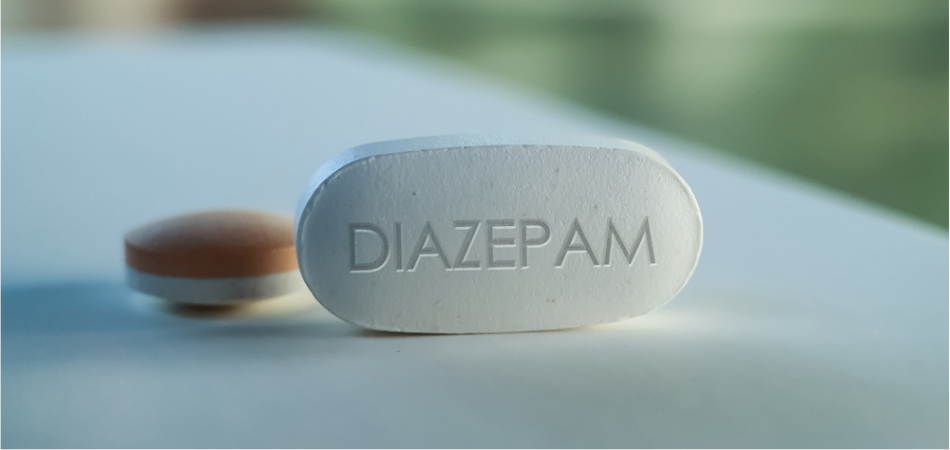
What is diazepam?
Diazepam is one of the most widely prescribed central nervous system (CNS) depressants in the UK. It belongs to the benzodiazepine class of drugs and is commonly dispensed under the brand name Valium. It is prescribed for anxiety disorders, muscle spasms, alcohol withdrawal, and seizures. Taken orally as a tablet, diazepam produces effects within 15 to 60 minutes and, due to its long half-life, its influence on the brain can persist for many hours, or even days with repeated use. This prolonged activity makes diazepam particularly prone to accumulation and dependence.
Your Diazepam-free future
starts with one phone call.
Why is diazepam so addictive?
Diazepam’s addictive potential stems from how it acts directly on the brain’s primary inhibitory system. When someone takes diazepam, the drug enhances the effect of gamma-aminobutyric acid (GABA), the brain’s main calming neurotransmitter. It binds to GABA-A receptors, increasing the flow of chloride ions into neurons and reducing their excitability across the brain and spinal cord.
This widespread inhibition produces feelings of calm, relief from anxiety, and sedation; effects that can feel profoundly rewarding, particularly for those experiencing chronic distress. The brain’s reward pathways register this relief as positive reinforcement, driving repeated use.
Over time, the brain adapts. GABA receptors are downregulated and become less sensitive, meaning increasing doses of diazepam are needed to achieve the same effect, a process known as tolerance. The brain simultaneously reduces its own natural GABA output, becoming chemically reliant on diazepam to maintain any baseline level of calm. Without the drug, neuronal activity surges unchecked, producing the rebound anxiety, physical agitation, and dangerous withdrawal effects characteristic of diazepam dependence.
Changes to GABA receptor subunit expression persist for weeks after stopping use. They heighten sensitivity to stress, intensify cravings, and significantly increase the likelihood of relapse even after extended periods of abstinence.
The combination of diazepam’s powerful anti-anxiety effects, the brain’s rapid chemical adaptation to its presence, and the intensity of withdrawal explains why diazepam can quickly lead to loss of control over use and a compulsive drive to continue despite serious harm, all the defining features of diazepam addiction.

Signs and Symptoms of Diazepam Addiction
Recognising diazepam addiction requires astute attention to a combination of psychological, behavioural, and physical changes.
Psychological and Behavioural Indicators
Diazepam dependence often manifests first through subtle changes in behaviour and mood. Common psychological and behavioural signs include:
- Persistent cravings and preoccupation with supply: Individuals may become focused on ensuring they never run out of diazepam, seeking prescriptions from multiple sources or obtaining it illicitly. These cravings can dominate thinking and decision-making.
- Prioritising drug use over responsibilities: Work, family, and social obligations may be neglected as obtaining and taking diazepam takes priority.
- Escalating doses beyond prescription: Taking more than prescribed, shortening the gap between doses, or being unable to reduce the amount used are key indicators of developing dependence.
- Secretive or deceptive behaviour: Concealing the amount being taken, downplaying use to prescribers, or stockpiling tablets are common behavioural changes.
- Mood disturbances between doses: Heightened anxiety, irritability, and emotional dysregulation during periods of reduced use reflect rebound neurological activity as diazepam’s effects wear off.
Physical Changes
The physical impact of diazepam misuse can develop gradually due to the drug’s long half-life and accumulation in body tissue. Physical signs include:
- Excessive drowsiness and sedation: Persistent fatigue, difficulty staying awake, and slowed movement are common indicators of overuse.
- Cognitive impairment: Memory difficulties, reduced concentration, and a general mental “fogginess” develop as CNS depression accumulates over time.
- Slurred speech and impaired coordination: Motor function becomes disrupted, leading to unsteady movement, poor balance, and speech changes that may resemble intoxication.
- Tolerance and withdrawal symptoms: Increasing doses are required to prevent withdrawal effects, which may include sweating, tremors, rebound anxiety, nausea, and in severe cases, seizures.
- Respiratory changes: Diazepam slows the breathing rate. In high doses or when combined with other depressants such as alcohol or opioids, this can progress to respiratory depression, a potentially life-threatening complication.
These signs reflect diazepam’s potent influence on both the mind and body. The combination of compulsive behavioural patterns and progressive physical deterioration drives continued use despite increasingly serious consequences. Recognising these signs early is clinically crucial, as prolonged use reinforces neurobiological changes that make recovery more complex.
Health Consequences of Continued Diazepam Use
Diazepam’s CNS-depressant potency and prolonged half-life mean that its effects accumulate in the body over time, causing both immediate physiological reactions and lasting damage to brain function and organ systems. Understanding these consequences is essential for recognising the full scope of risk associated with diazepam misuse.
Short-Term Effects of Valium Abuse
The immediate impact of diazepam misuse is significant. While therapeutic doses aim to produce calm and sedation, misuse or overdose can overwhelm the body’s nervous system rapidly and without warning.
Key short-term consequences include:
Excessive CNS depression: Diazepam suppresses brain activity broadly, producing profound drowsiness, confusion, and, in high doses, loss of consciousness. When combined with alcohol or opioids, the risk of fatal respiratory depression is significantly elevated.
Impaired coordination and accident risk: Even at prescribed doses, diazepam reduces reaction time, balance, and motor coordination, substantially increasing the risk of falls, road traffic accidents, and workplace injuries.
Paradoxical reactions: In some individuals, particularly the elderly or those with certain neurological profiles, diazepam can trigger the opposite of its intended effect, causing agitation, disinhibition, and even aggression.
Anterograde amnesia: Diazepam can impair the formation of new memories during the period of its activity, resulting in gaps in recall that users may not be aware of until later.
These immediate effects illustrate how diazepam exerts powerful, rapid changes on multiple systems in the body, highlighting the dangers even during seemingly controlled or short-term use.
Long-Term Effects of Diazepam addiction
Prolonged diazepam use compounds acute effects into chronic, systemic harm. Sustained use alters brain chemistry at a structural level, impairs mental health, and can cause lasting neurological damage, making recovery progressively more complex.
Key long-term consequences include:
Neurological and cognitive damage: Chronic diazepam use is associated with persistent impairment of memory consolidation, processing speed, and executive function. Research indicates that some of these cognitive deficits may not fully resolve following abstinence, particularly with long-term high-dose use.
Structural brain changes: Long-term benzodiazepine use has been associated with changes in brain volume and connectivity, particularly in areas responsible for emotional regulation, memory, and decision-making.
Worsening of anxiety and depression: Paradoxically, a drug prescribed for anxiety frequently deepens the conditions it was intended to treat. Rebound anxiety, emotional blunting, and depressive episodes become increasingly entrenched with prolonged use.
Falls and physical injury: Sustained sedation and impaired motor control significantly increase the risk of serious falls, particularly in older adults, contributing to hip fractures and other injuries with long-term consequences for independence.
Organ strain: Chronic use or diazepam addiction places ongoing pressure on the liver as it metabolises diazepam and its active breakdown products. In individuals with pre-existing hepatic conditions, this accumulation can accelerate organ decline.
Chronic use transforms the body from a state of temporary sedation to cumulative neurological and physical deterioration. These consequences often intertwine with psychological and social difficulties, reinforcing the cycle of diazepam addiction.
Reach out today for Diazepam rehab guidance
Our admissions team will guide you towards the right Diazepam addiction treatment programme and answer all your questions, completely free of charge and with no obligation.
Mental Health Risks of Diazepam Addiction
Diazepam has a profound and often destabilising impact on mental health. While initially prescribed to reduce distress, it creates a chemical dependency that ultimately intensifies the very conditions it was meant to treat. Over time, repeated disruption to the brain’s GABAergic system and related neurotransmitter networks places significant strain on mood regulation, stress response, and cognitive clarity.
As diazepam misuse progresses into dependence, psychological symptoms often become more severe, more frequent, and increasingly difficult to manage without professional support.
Common mental health complications include:

Recovery and Support at Banbury Lodge
Overcoming diazepam addiction is challenging, but it is entirely achievable with the right professional support. At Banbury Lodge, our specialist team provides personalised, evidence-based care to guide you safely through every stage of valium addiction recovery.
Treatment begins with a supported diazepam detox, which uses a carefully managed dose-tapering protocol to reduce dependence gradually while minimising the risk of withdrawal seizures. This is followed by psychological therapies such as CBT and DBT to address the underlying drivers of anxiety and dependence, building sustainable coping strategies that do not rely on medication. Our structured rehabilitation programme provides daily routine, skill development, and holistic therapies, while comprehensive aftercare supports long-term recovery and relapse prevention.
With the right help, you can reclaim your cognitive clarity, rebuild your emotional resilience, and overcome diazepam addiction. Take the first step today by contacting us at Banbury Lodge to discuss how we can support you or a loved one in recovery from diazepam addiction.
A healthier, Diazepam-free life is possible, and it starts here
Whether this is your first step or support following a relapse, we provide expert care at every stage of recovery in a safe and supportive setting.
Frequently Asked Questions
(Click here to see works cited)
- NHS (2024). Benzodiazepines and diazepam. NHS.uk.
- Lader, M. (2011). Benzodiazepines revisited — will we ever learn? Addiction, 106(12), 2086–2109.
- National Institute on Drug Abuse (NIDA) (2023). Prescription CNS Depressants Research Report. NIDA.
- Ashton, H. (2002). Benzodiazepines: How They Work and How to Withdraw. Newcastle University (The Ashton Manual).
- Longo, L. P., & Johnson, B. (2000). Benzodiazepines — Side Effects, Abuse Risk and Alternatives. American Family Physician, 61(7), 2121–2128.
- British Medical Journal (BMJ) Best Practice (2023). Benzodiazepine dependence and withdrawal. BMJ.
- NHS (2024). Getting help for drug addiction. NHS.uk.

