





Written by:

Medically Reviewed by:
Last Updated:
August 19th, 2026
Tramadol Addiction
Tramadol is an opioid pain medication typically prescribed for short-term relief of moderate to severe pain. Alongside its pain-relieving effects, it can also produce feelings of euphoria, relaxation and calm, which means it carries a risk of dependence and misuse. Tramadol abuse can develop gradually, particularly when the drug is taken for longer than prescribed or used in higher doses than intended. Tramadol addiction is an increasing concern in the UK, with serious physical and psychological consequences if left unaddressed. If you are struggling with tramadol use, Banbury Lodge can provide structured support and guide you through each stage of recovery.

Tramadol addiction: 5 things to know
- Tramadol interacts with opioid receptors in the brain, and this is associated with increased activity of the neurotransmitter, dopamine.
- The effects of tramadol will usually be felt around thirty to sixty minutes after consumption.
- With regular use, your brain becomes accustomed to the effects of tramadol and you will need more of the drug to achieve the desired results.
- It is possible to overdose on tramadol, especially if it is consumed alongside other drugs or alcohol.
- Tramadol comes under brand names including Maxitram, Marol, Zydol, Zamadol, Tramulief and Tramquel.
Your Tramadol-free future
starts with one phone call.
Why is tramadol addictive?
Tramadol can be addictive because it affects both the brain’s pain pathways and its reward system. By influencing neurotransmitters such as dopamine and serotonin, it can create feelings of relief, calm and mild euphoria, which may encourage repeated use.
Over time, the brain adapts to these effects, meaning higher doses may be needed to achieve the same level of relief, a process known as tolerance. This can then progress into physical dependence and, in some cases, compulsive use, even when tramadol was originally prescribed for legitimate pain management.
How do I know if I’m addicted to tramadol?
Tramadol addiction is characterised by compulsive use of the drug even when you are aware of the damage it is causing. If you are addicted to tramadol, you may feel like you need the drug to function normally and will experience withdrawal symptoms if you try to reduce or stop taking it.
Signs of tramadol addiction
It is important to be aware of the signs of tramadol addiction and take action if you notice them in yourself or a loved one. Some of the most common signs of tramadol addiction include:
- Taking more tramadol than prescribed or more frequently than prescribed
- Using tramadol for longer than recommended
- Attending multiple doctor’s appointments, or “doctor shopping” in order to obtain a prescription
- Buying tramadol illegally, from the streets or online
- Neglecting other responsibilities and commitments in favour of taking tramadol
- Experiencing irritability or anxiety when you cannot get tramadol
These tramadol addiction symptoms can start off subtly, but they often become more noticeable as dependence develops and use becomes harder to control. If you recognise any of these signs in yourself, it may be time to consider seeking professional support. Tramadol addiction can feel isolating, but you are not alone, and effective help and treatment are available.
Risk factors for tramadol addiction
Anyone who takes tramadol is unfortunately at risk of developing an addiction. This includes those who have been prescribed tramadol by their doctor and individuals who take tramadol recreationally. There are, however, certain factors that can increase your chances of tramadol addiction. These include:
- A history of substance abuse or addiction: individuals who have a history of addiction or who have misused drugs in the past are at a higher risk of developing a tramadol addiction.
- Family history of addiction: genetics can play a role in the development of addiction, so if you have a family history of addiction, you may be more likely to develop a tramadol addiction.
- Chronic pain: if you experience chronic pain and take tramadol long-term to try to manage it, you are highly likely to develop a tramadol addiction.
- Mental health issues: some people may use tramadol as a form of self-medication to cope with mental health symptoms, and so if you suffer from any mental health issues, you are more at risk of tramadol addiction.
- Availability of tramadol: the availability of tramadol can also increase the risk of addiction – if you have easy access to the drug, you could be more likely to abuse it.
- Age: younger people may be more susceptible to tramadol addiction as adolescents and young adults may be more likely to experiment with drugs and develop an addiction.
If you fall into one of these categories it is important to be aware of the risk of tramadol addiction and take action to prevent your tramadol use from getting out of control. If you have been prescribed tramadol and are worried about an addiction forming, speak to your doctor about alternative medication.
Safe, medically supported Tramadol detox with continuous clinical care and oversight throughout.
Tramadol withdrawal can feel overwhelming during the detoxification process, but you don't have to go through it alone. Call now and our admissions team will walk you through exactly what to expect; at no cost and with no obligation.
Tramadol addiction: know the dangers
Many people believe that a legal, prescription drug like tramadol could not possibly be dangerous. However, despite these common misconceptions, the abuse of this drug can be physically, psychologically and socially harmful.
The physical impact of tramadol addiction
Some of the physical impacts of tramadol addiction include:
- Nausea and vomiting
- Headaches
- Dizziness
- Constipation
- Muscle aches
- Tremors
- Seizures
- Damage to liver and kidneys
- Risk of overdose and death
The psychological impact of tramadol addiction
Some of the psychological impacts of tramadol addiction include:
- Insomnia
- Increased risk of mental health issues
- Mood swings and irritability
- Paranoia
- Psychosis
For some people, tramadol can cause depression or worsen existing low mood, particularly when misuse, dependence or withdrawal are involved.
The social impact of tramadol addiction
Some of the social impacts of tramadol addiction include:
- Social isolation and withdrawal from loved ones
- Lack of interest in previously enjoyed activities
- Issues with performance at work or school
- Financial problems
- Legal problems
- Helping a loved one with tramadol addiction
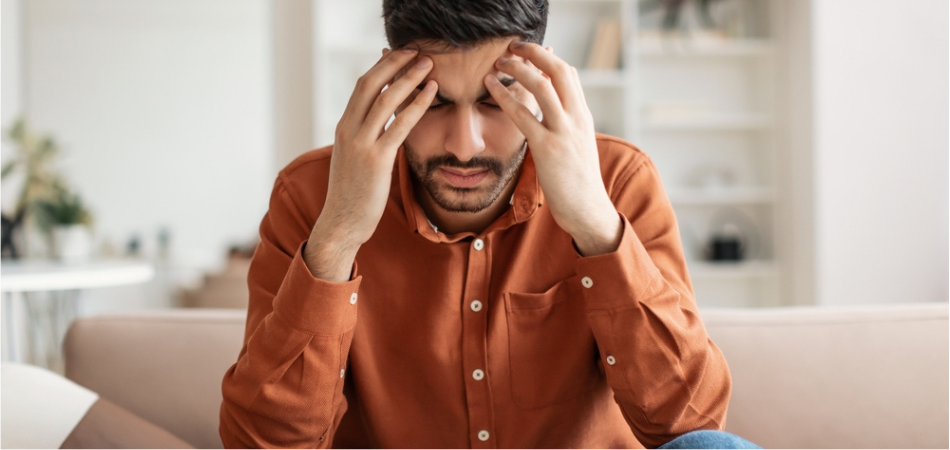
Watching someone you care about struggle with opiate addiction can be incredibly difficult. You may be experiencing a mixture of emotions, but there are several things you can do to support your loved one as they work towards recovery.
Do
- Encourage them to seek help: The first step in overcoming tramadol addiction is admitting that there is a problem. Encourage your loved one to seek professional help from a doctor, therapist or addiction specialist.
- Educate yourself about tramadol addiction: Learn as much as you can about tramadol addiction, its causes and the treatment available. This will help you better understand what your loved one is going through and how you can best support them.
- Be supportive: Let your loved one know that you’re there for them and that you will support them through their tramadol recovery. Listen to them without judgement and encourage them to talk about their feelings and experiences.
- Set boundaries: It is essential to set healthy boundaries with your loved one to protect your own well-being. For example, you may need to limit your interactions with them if their behaviour becomes abusive or disruptive.
- Consider attending family therapy: Family therapy can be an effective way to support your loved one with tramadol addiction and improve communication within your family.
Don’t
- Enable their tramadol addiction: enabling behaviour, such as giving your loved one money to buy drugs or making excuses for their drug use, can prolong their tramadol addiction and make it more challenging to overcome.
- Blame or shame them: tramadol addiction is a complex condition and it’s not helpful to blame or shame your loved one for their struggles.
- Try to control them: you can’t force your loved one to seek treatment for tramadol addiction or change their behaviour.
- Neglect your own needs: it is important to take care of yourself while supporting your loved one. Make time for self-care activities and seek support from friends, family or a therapist if you need it.
- Give up hope: recovery from tramadol addiction is possible and it’s important to maintain hope for your loved one’s future. Celebrate their successes, no matter how small, and continue to support them through their journey.
Helping a loved one with tramadol addiction can be challenging, but it’s also incredibly rewarding. You could make all the difference to your family member’s recovery by providing the right support and encouragement.
Can I overcome tramadol addiction?
Tramadol addiction is a treatable condition and, with the right support, it is possible to overcome it. Banbury Lodge offers tramadol rehab in a relaxing, private space. Here you can let go of your worries and fully focus on healing.
Our tramadol addiction treatment involves a tramadol detox, therapy and holistic activities that support a healthy lifestyle. All of our staff also have first-hand experience with addiction and their number one goal is to set you up to succeed.
A former client, Ellen, shares her thoughts on addiction and when to get help, saying:
“Addiction affects everybody – husbands, our relationships, our parents. I don’t think anybody really knows the extent of the help that’s there. Once you’ve made that decision yourself you are met with massive relief.”
Taking the first step and reaching out feels like a weight lifted off of your shoulders. If you are ready to take that step and start your tramadol recovery journey, pick up the phone and call our admissions team today.
A healthier, Tramadol-free life is possible, and it starts here
Whether this is your first step or support following a relapse, we provide expert care at every stage of recovery in a safe and supportive setting.

