




Last Updated:
July 7th, 2026
If you’re reading this, there’s a strong chance you’re looking into drug rehab for the first time, either for yourself or for someone close to you. It can feel like a world of unfamiliar words and unanswered questions and that confusion alone is enough to put a lot of people off taking the first step.
This guide is here to make the process feel less daunting. It explains what drug rehab actually involves, what happens at each stage and where you can get help when you’re ready to talk it through.
What is drug rehab?
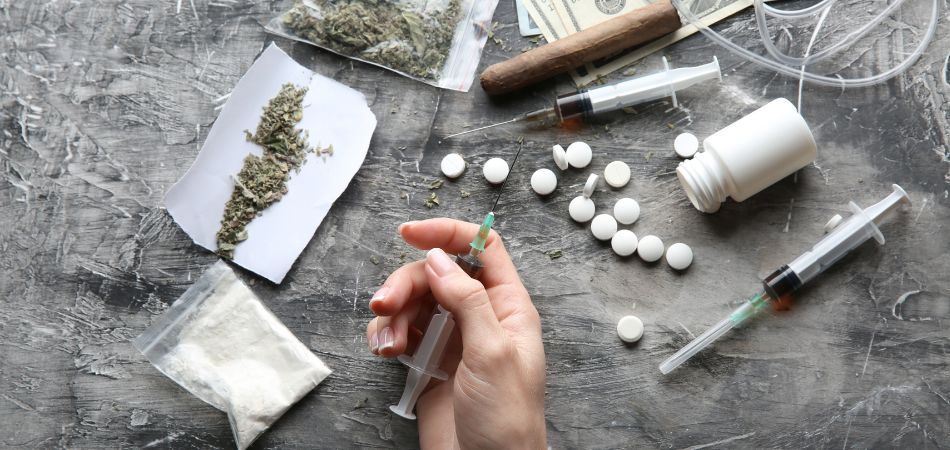
Drug rehab is a structured recovery process that helps someone stop using a drug safely and stay stopped. It deals with two things at once, the physical side of coming off a substance and the reasons the use took hold in the first place.
That second part is what separates rehab from simply quitting. Stopping the drug is one thing but understanding what was driving the use and learning to live without it, is what gives recovery a chance of lasting.
Most people picture rehab as a single event, a stay somewhere that fixes the problem. In reality it’s a sequence of stages, each one building on the last and knowing what they are takes a lot of the fear out of starting.
Additional Read: Where to Go for Drug Rehab for a Loved One with Addiction
The stages of drug rehab
Rehab rarely looks identical for two people, because the plan is formed around what each person needs. That said, most journeys move through the same broad stages. Here’s what each one involves.
You’ll usually be asked about how much of the drug you’ve been using and for how long, alongside your physical health, your mental health and the support you have around you at home.
This matters because addiction rarely exists on its own and what’s found here forms a plan built around you rather than a one-size-fits-all programme.
As the drug leaves your system, withdrawal symptoms can set in and dpending on the substance, these might include:
- Strong cravings that feel hard to ignore
- Low mood or a flat, joyless feeling
- Disrupted sleep
- Anxiety or restlessness
- Physical discomfort such as aches or nausea
In a supervised setting, these symptoms are monitored and where appropriate, medication can be used to ease them and keep you safe. This is exactly why coming off certain drugs at home, alone, can be risky rather than simply unpleasant.
Several different therapies are usually used together, which we’ll cover more in detail later on.
It might include ongoing therapy, support group meetings and regular check-ins. The point is to keep support in place during the period when old patterns are most likely to resurface, rather than leaving you to manage that stretch on your own.
The therapies used in drug rehab
Therapy is the core of rehab, so it helps to know what the main approaches actually do before you walk in.
- Cognitive behavioural therapy
CBT looks at the link between how you think and what you then do. With a therapist, you unpick the thought patterns that lead toward using, then learn to challenge them. The aim is to move from “I’m stressed, I need to use” toward a response that doesn’t end with the drug.
- One-to-one counselling
This is private, paced work with a single therapist. It gives you space to talk through the personal reasons behind the use, the things that might feel too raw to say in a group. For a lot of people, it’s the first time they’ve spoken openly about any of it.
- Group therapy
Group sessions bring together people going through the same thing. Hearing your own experience reflected back by someone else takes some of the isolation out of recovery and speaking openly in front of a room is its own kind of progress.
- Holistic approaches
Many programmes add approaches that support the body and mind alongside the talking therapies. Things like exercise and mindfulness help rebuild the basics that addiction strips away and they give recovery something steady to stand on.

Common worries about drug rehab
Most people arrive with the same handful of fears and they’re worth answering plainly rather than glossing over.
“Will withdrawal be too much to handle?”
The fear of withdrawal stops a lot of people before they start but in a supervised detox, the symptoms are managed rather than simply endured and you’re monitored throughout. It’s a managed medical process, not something you’re left to white-knuckle alone.
“What will people think?”
Stigma is real and the worry about being judged keeps many people stuck. Reaching out for help isn’t a weakness, though. It’s one of the hardest things a person can do and it takes more strength than carrying on as things are.
“What about the cost?”
Cost is a genuine concern and it’s worth knowing that support exists at different levels. NHS services are free at the point of use and private treatment offers faster access and a fully structured setting. The right route depends on your situation and it’s something you can talk through before committing to anything.
“What if it doesn’t work?”
Recovery is rarely a straight line and relapse can be part of it. A return to use doesn’t mean treatment has failed or that you’re back to square one. It’s information about what needs more support and recovery picks back up from there.
Where you can get help
If you’ve read this far, the most useful next step is talking to someone who can help you make sense of the options.
Support through the NHS usually begins with your GP, who can refer you on or you can contact a local drug service directly and refer yourself. Treatment this way is delivered in the community, with waiting times that vary by area.
If you want faster access or a fully structured environment away from everyday triggers, you can also speak to us directly. We can talk you through what residential treatment involves and help you work out whether it fits your situation.
How Banbury Lodge can help
If anything on this page has resonated, whether for yourself or someone you care about, Banbury Lodge can help you work out the next step.
We provide residential addiction treatment in a supportive setting, with a programme that includes detox, therapy and aftercare planning built in from the start. The aim is to deal with both the dependency and the reasons behind it, rather than one without the other.
You don’t need to have anything figured out before you call. Contact Banbury Lodge today for a confidential conversation, with no pressure and no obligation.

