




Last Updated:
February 18th, 2026
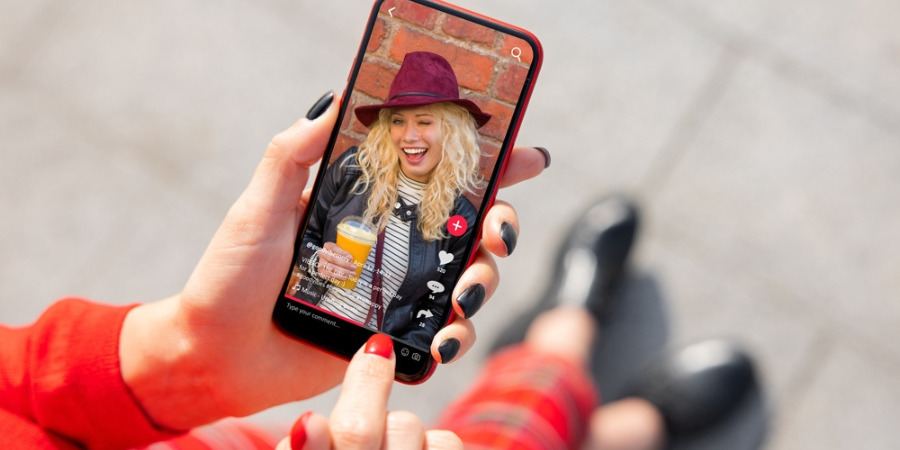
Social media addiction can no longer be called a “fringe issue.” It’s affecting people on a scale we have never witnessed before. With around 80% of the entire population using social media, more people than ever are finding themselves compulsively scrolling and scrambling to see if social media notifications have come through.
As social media’s prevalence expands, so does the need for reliable, accessible support for its detrimental effects. Thankfully, there are communities and online support groups for social media addiction to help you regain balance.
How big is the problem of “social media addiction”?
Alongside its increasing prevalence in our everyday lives, research is also uncovering some of the darker results of social media addiction and overconsumption, especially among younger people.
Pivotal research from the UK Millennium Cohort Study (MCS) found that teenagers using social media for five or more hours per day reported “much higher levels of depression” when compared with lighter users.
Another illuminating review found statistically significant correlations between problematic social media use and mental health problems. The researchers reported that around 7% of depressive symptoms, 12% of anxiety symptoms, and 10% of stress symptoms were directly associated with unhealthy social media patterns.
When we take together the data on social media’s prevalence in our lives and its capacity to damage our mental health, a concerning picture is painted. If your online life is beginning to shape your offline wellbeing, know that this is a recognised issue and you deserve support to help you regain control.
Questions to ask yourself about social media addiction
Before you can change your relationship with social media, it helps to use questions to see how deeply it may be affecting you. Try asking yourself some of these questions:
- Have I promised myself I’d cut back on social media use, only to break that promise soon after?
- Has social media overuse impacted my hobbies, studies or work life?
- Has social media use created conflict or avoidance in my personal relationships?
- Has my social media use ever come at the expense of eating well, sleeping or physical health?
- Do I notice myself compulsively loading social media the moment I have free time?
- Do I go online “just for a moment,” then realise that hours have disappeared?
- Have I become cognisant of how negative social media continues to take my attention?
- Do I feel anxious, uneasy or emotionally disconnected when I’m offline?
- Do I ever hide or downplay how much time I spend online, or what I’m doing there?
- Do I feel guilty or ashamed about my social media use?
Self-reflection is often the first step toward regaining control. Reflecting on these questions can help you recognise whether social media is supporting your life, or slowly beginning to dictate it.
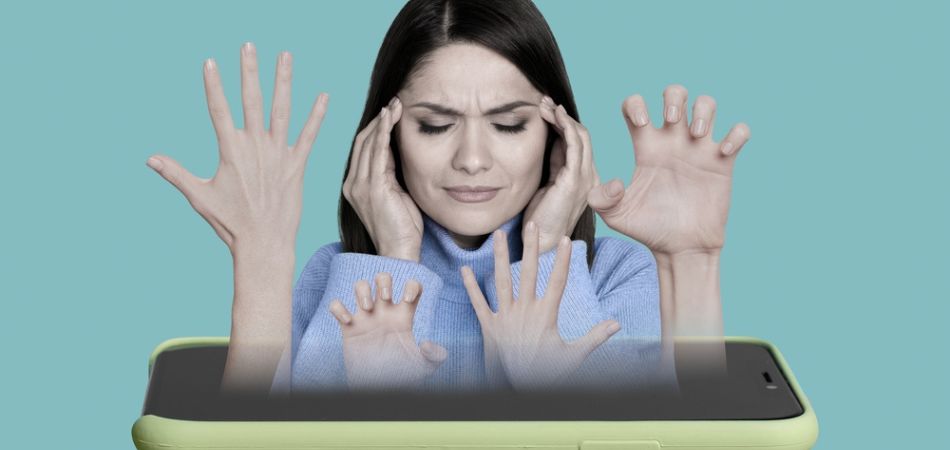
What help is there for treating social media addiction?
Social media addiction is increasingly recognised as a real and damaging behavioural health issue. Thankfully, social media addiction help is growing simultaneously with our understanding of it.
Much like addictions to drugs and alcohol, going cold turkey may not yield the best results.
Instead, small and incremental steps can help you regain control and balance if social media is dominating your life. The most effective forms of help include:
- Social media addiction support groups: Peer support is one of the most powerful tools in recovery from social media addiction. Speaking to others in person who understand what you’re going through can provide relief in hard times. You can feel supported knowing you aren’t alone, speaking to people who’ve been there and gotten the recovery they needed.
- Online support groups for social media addiction: If attending in person feels overwhelming, online communities can be a safe starting point. Many online groups run virtual meetings and forums where you can discuss challenges and learn from others trying to regain balance. In many ways, anonymity can make opening up a lot easier.
- Professional counselling and therapy: Recovery from social media addiction programmes use therapies like CBT and Motivational Interviewing to address the underlying drivers of compulsive use. Through professional social media detox programs, many people uncover factors like boredom, loneliness, anxiety, or low self-worth as the catalysts for lost control online.
- Broader digital-wellbeing support: There can also be great benefits in educating yourself on technology boundaries, mindfulness techniques and strategies to reduce reliance on external validation. Learning about these can complement peer support for digital addiction and strengthen your long-term recovery plan.
What are the best resources for support?
If you’re trying to break free from compulsive social media or internet use, please know that you are supported. There are several trusted organisations, both UK and worldwide, that provide free support. These resources are designed to help you contextualise your patterns and then take the first step towards regaining control.
Some of the most reliable places to start are:
Where can I get help for an addiction in my life?
At Banbury Lodge, we’re seeing more people than ever reaching out for help with compulsive online behaviours, from social media overuse to gaming addiction, scrolling and app-based gambling abuse. These patterns can quietly affect relationships and erode your mental wellbeing, but treatment can help you take back control.
Our behavioural addiction programmes are designed to address the root of the problem. Through evidence-based therapy and emotional support programmes, we help you understand the patterns behind your tech use and build a life away from constant digital pull.
Our Admissions Team is here right now to answer any questions you have, in a non-judgemental environment. A single conversation could be the first real step toward freedom and recovery. Take that step today.
(Click here to see works cited)
- Kemp, Simon. “Digital 2025: The United Kingdom – DataReportal – Global Digital Insights.” DataReportal, DataReportal – Global Digital Insights, 25 Feb. 2025, datareportal.com/reports/digital-2025-united-kingdom.
- Kelly Y, Zilanawala A, Booker C, Sacker A. Social Media Use and Adolescent Mental Health: Findings From the UK Millennium Cohort Study. EClinicalMedicine. 2019 Jan 4;6:59-68. doi: 10.1016/j.eclinm.2018.12.005. PMID: 31193561; PMCID: PMC6537508.
- Shannon H, Bush K, Villeneuve PJ, Hellemans KG, Guimond S. Problematic Social Media Use in Adolescents and Young Adults: Systematic Review and Meta-analysis. JMIR Ment Health. 2022 Apr 14;9(4):e33450. doi: 10.2196/33450. PMID: 35436240; PMCID: PMC9052033.

